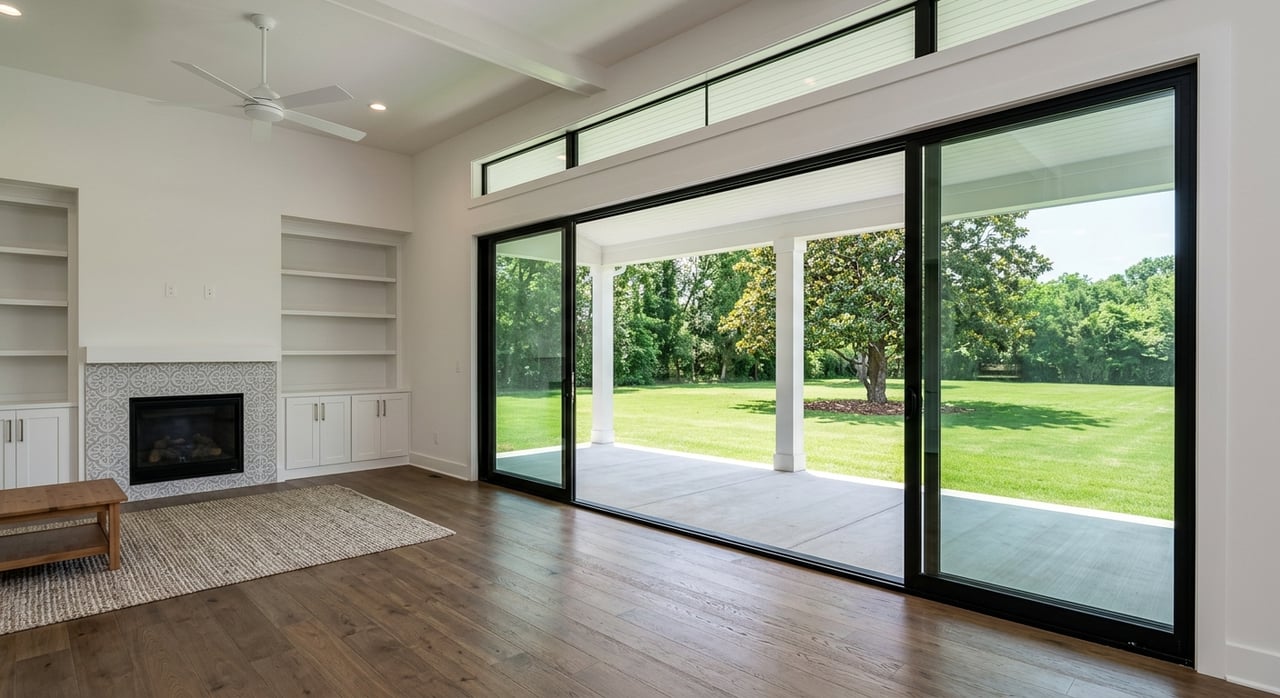
Need more room, but not sure where in Simpsonville you should look? That is a common challenge, especially in a fast-growing market where “more space” can mean very different things from one buyer to the next. If you want a smart way to compare your options, this guide will help you weigh convenience, privacy, lot size, and neighborhood style so you can focus your search with confidence. Let’s dive in.
What “More Space” Really Means
In Simpsonville, more space is not always just about a bigger house. For many buyers, it means a yard you can actually use, an extra bedroom for guests, a home office, better parking, or more distance from nearby homes.
That matters because two homes with similar square footage can live very differently. One may have a flatter backyard and more functional storage, while another may offer less usable outdoor area even if the lot looks larger on paper.
Local demand reflects that practical mindset. Redfin’s spring 2026 home-trends data shows that new construction and fenced back yard are among the top features buyers are watching in Simpsonville, along with large kitchens and guest bedrooms.
Why Simpsonville Is a Tradeoff Market
Simpsonville continues to grow quickly, and that growth shapes how buyers think about space. Census estimates put the city at 28,459 residents in 2025, which is 21.5% higher than 2020. The city also has a 68.5% owner-occupied rate, a median owner-occupied home value of $299,300, and an average commute time of 22.4 minutes.
At the same time, the local market still rewards buyers who narrow their priorities early. Redfin’s April 2026 snapshot shows a median sale price of $334,827 and about 69 days on market, so it helps to know whether you want downtown convenience, newer construction, or more land before you start touring.
The good news is that Simpsonville offers several clear neighborhood types. The key is understanding what each one gives you, and what you may need to give up in return.
Established Areas Near Downtown
If you want to stay close to the heart of Simpsonville, established streets and in-town areas are often the best place to begin. These locations tend to appeal to buyers who want easier access to restaurants, boutiques, downtown events, parks, public activities, and the city’s growing downtown core.
The city continues to invest in downtown Simpsonville with streetscape improvements, traffic realignment, a festival street, a new municipal complex, and access to the local Swamp Rabbit Trail segment. For some buyers, that convenience matters more than having the biggest lot in town.
Best fit for convenience
Established neighborhoods are often a strong fit if you want:
- Faster access to downtown amenities
- More local character
- Mature landscaping and tree cover
- A location that feels connected to daily activities
This option can work well when your version of space is more about layout and lifestyle than acreage. You may not get the widest yard or longest driveway, but you may gain time, convenience, and a stronger sense of connection to the city.
Main tradeoffs in older areas
The tradeoff is that raw lot size does not tell the full story. In established areas, driveway width, lot shape, slope, tree placement, and usable yard area can matter more than the total number on a listing sheet.
If you are thinking about adding a fence, shed, extra parking, or a home addition later, it is important to check what is allowed. Simpsonville’s zoning ordinance regulates the location, size, and use of buildings and land, so future flexibility should be part of your decision from the start.
Newer Subdivisions in Simpsonville
If your goal is a more move-in-ready home with newer systems and a more uniform neighborhood feel, newer subdivisions deserve a close look. This is one reason new construction continues to stand out in local buyer demand.
Many buyers like the predictability that comes with these communities. You may find more modern floor plans, larger kitchens, guest bedrooms, and backyards designed for everyday use.
Best fit for newer homes
A newer subdivision may be the right fit if you want:
- Modern layouts with flexible living space
- Less immediate maintenance
- A more consistent neighborhood appearance
- Community amenities or structured upkeep
This can be a strong choice if your version of more space includes open-concept living, extra bedrooms, and a fenced yard rather than a larger parcel of land.
Main tradeoffs in newer subdivisions
The biggest tradeoffs are often monthly cost and flexibility. Some neighborhoods require HOA membership, and HOA dues are usually separate from the mortgage payment.
That means affordability is not just about the purchase price. You will also want to ask about dues, what they cover, and whether the neighborhood has rules for fences, exterior changes, parking, pets, or rentals.
Larger-Lot Homes and Edge-of-Town Areas
If you want room to spread out, larger-lot homes and properties near the edge of town may offer the strongest value for your goals. These homes often appeal to buyers who want more privacy, more garden space, extra parking, or room for a workshop or outdoor hobbies.
This option lines up with Simpsonville’s broader growth pattern. The city’s comprehensive plan focuses more intense development where transportation and utilities already exist, which helps explain why buyers looking for bigger lots often search farther from the most built-up parts of town.
Best fit for privacy and land
This type of property may be a great fit if you want:
- More separation from neighbors
- More usable land for outdoor living
- Space for gardening or hobby use
- Flexibility to prioritize privacy over proximity
For some move-up buyers and relocation buyers, this is the sweet spot. You may give up some closeness to downtown, but gain the breathing room that is hard to find in more built-up areas.
Main tradeoffs with larger parcels
These properties can be more technical to evaluate. One major reason is that Simpsonville city rules and Greenville County rules are not always the same.
Properties inside city limits follow Simpsonville zoning and land-development rules. Properties in unincorporated Greenville County fall under county zoning administration, including zoning verification, setbacks, rezoning, and site review.
That distinction can affect what you can build, where you can place structures, and how much of the land is truly usable. In practical terms, larger-lot buying often requires more questions before you make an offer.
Questions to Ask Before You Buy
No matter which neighborhood type you prefer, it helps to tour with a clear checklist. When you are buying for more space, the right questions can save you from costly surprises.
Here are some of the most important ones to ask:
- Is the property inside Simpsonville city limits or in unincorporated Greenville County?
- If it is in the county, what zoning district and setback rules apply?
- Are there HOA dues, and what do they cover?
- Are there neighborhood restrictions on fences, exterior changes, parking, pets, or rentals?
- What is the school assignment for this exact address or subdivision?
- Has the property had flooding, drainage issues, wildfire damage, or other disaster-related damage?
- What insurance does the property currently carry?
- How much of the yard is actually usable day to day?
That last question is especially important. A large lot does not always mean a large functional yard, especially if grading, tree cover, easements, or setbacks reduce what you can realistically enjoy.
How to Choose the Right Simpsonville Fit
The best neighborhood for more space depends on which kind of space matters most to you. If you want to stay near restaurants, events, parks, and downtown activity, established in-town areas may be your best match.
If you want a newer home with modern features and a simpler move-in process, a newer subdivision may offer the best balance. If privacy, outdoor room, and flexibility are your top priorities, edge-of-town or larger-lot properties may be worth the extra drive.
In other words, this is less about finding the “best” neighborhood and more about finding the right tradeoff. When you define that clearly, your search gets easier and your decisions get sharper.
Working with someone who knows how Simpsonville neighborhoods differ can make that process much smoother. If you are weighing newer subdivisions, in-town options, or land-focused properties, Micha Kelley can help you compare what matters most and find the right fit for your next move.
FAQs
What does “more space” usually mean for Simpsonville homebuyers?
- In Simpsonville, more space can mean a bigger home, a more usable yard, more privacy, an extra bedroom or office, better parking, or a layout that works better for daily life.
Which Simpsonville neighborhood type is best for staying near downtown?
- Established areas closer to downtown are usually the best fit if you want easier access to restaurants, boutiques, events, parks, and other city amenities.
What should you know about newer subdivisions in Simpsonville?
- Newer subdivisions often offer modern layouts and a move-in-ready feel, but you should ask about HOA dues, what they cover, and any restrictions that may affect how you use the property.
Why do larger-lot properties in Simpsonville require extra research?
- Larger-lot properties may fall inside Simpsonville city limits or in unincorporated Greenville County, and the zoning, setbacks, and land-use rules can differ depending on the exact location.
What should you ask about yard space when touring Simpsonville homes?
- You should ask how much of the yard is truly usable, since slope, tree cover, easements, drainage, and setback rules can all affect how the outdoor space functions.
How competitive is the Simpsonville housing market right now?
- Redfin’s April 2026 data shows a median sale price of $334,827 and about 69 days on market, which makes it helpful to define your priorities before touring homes.