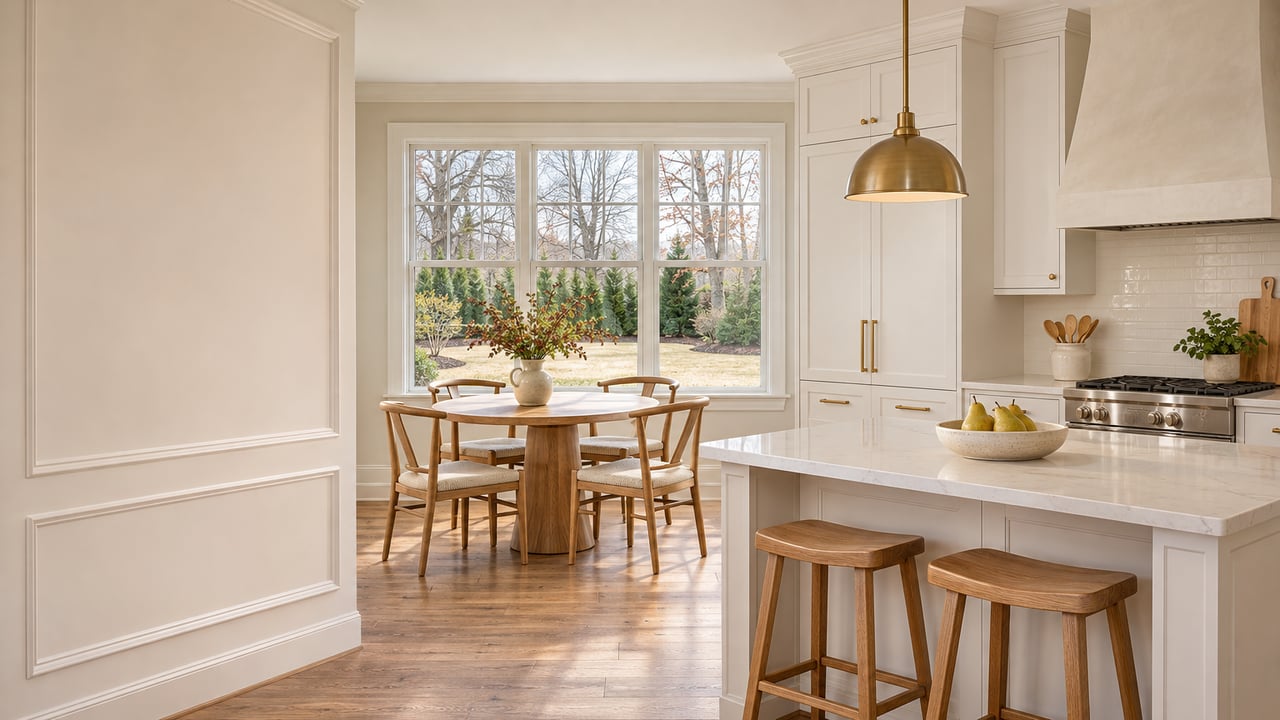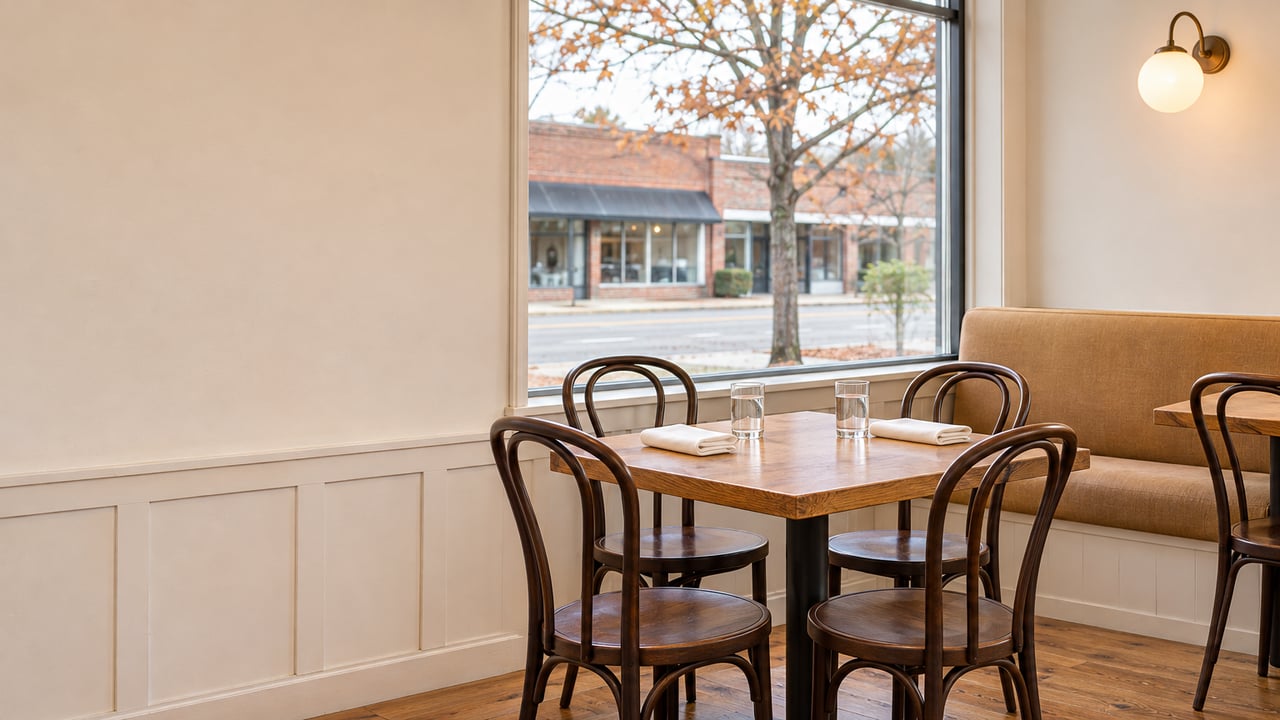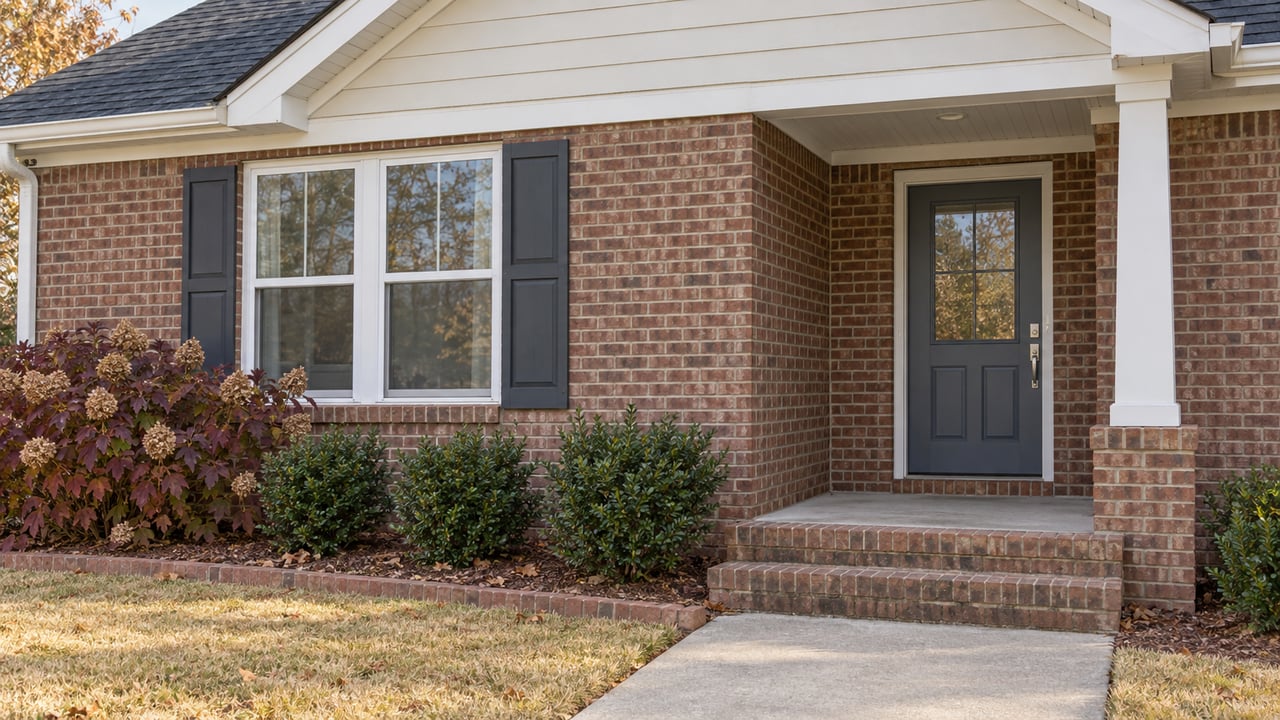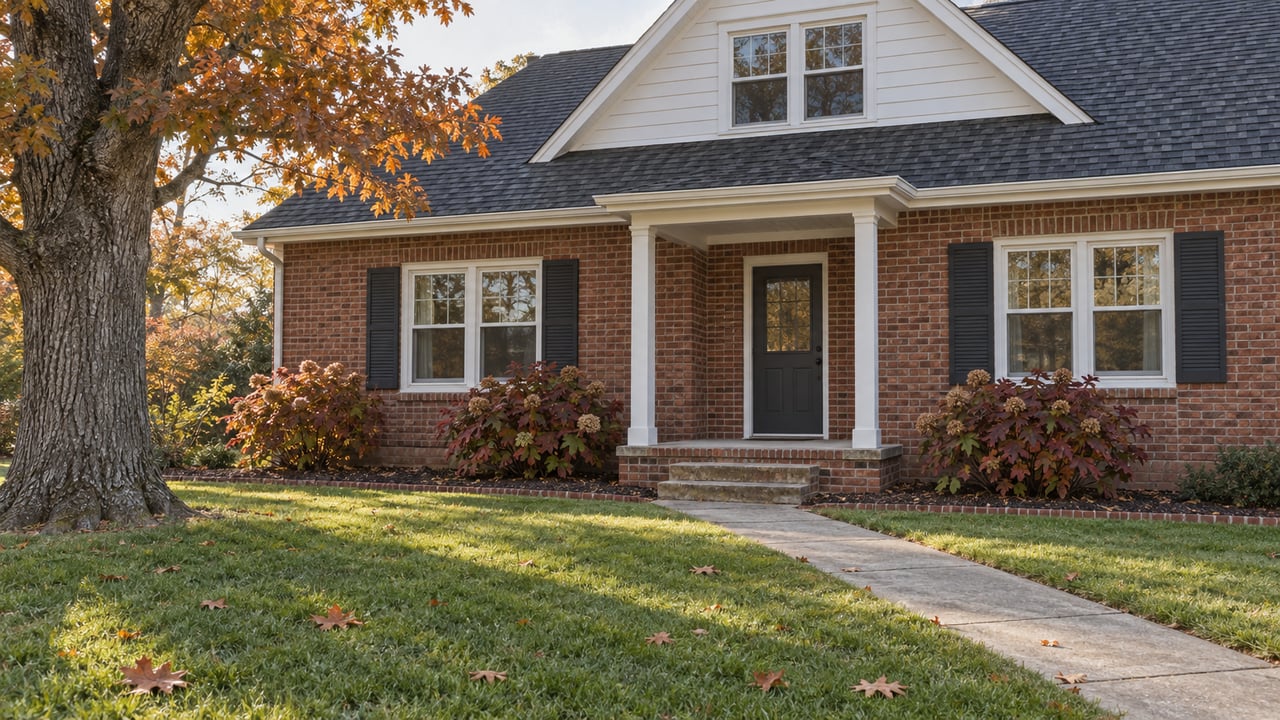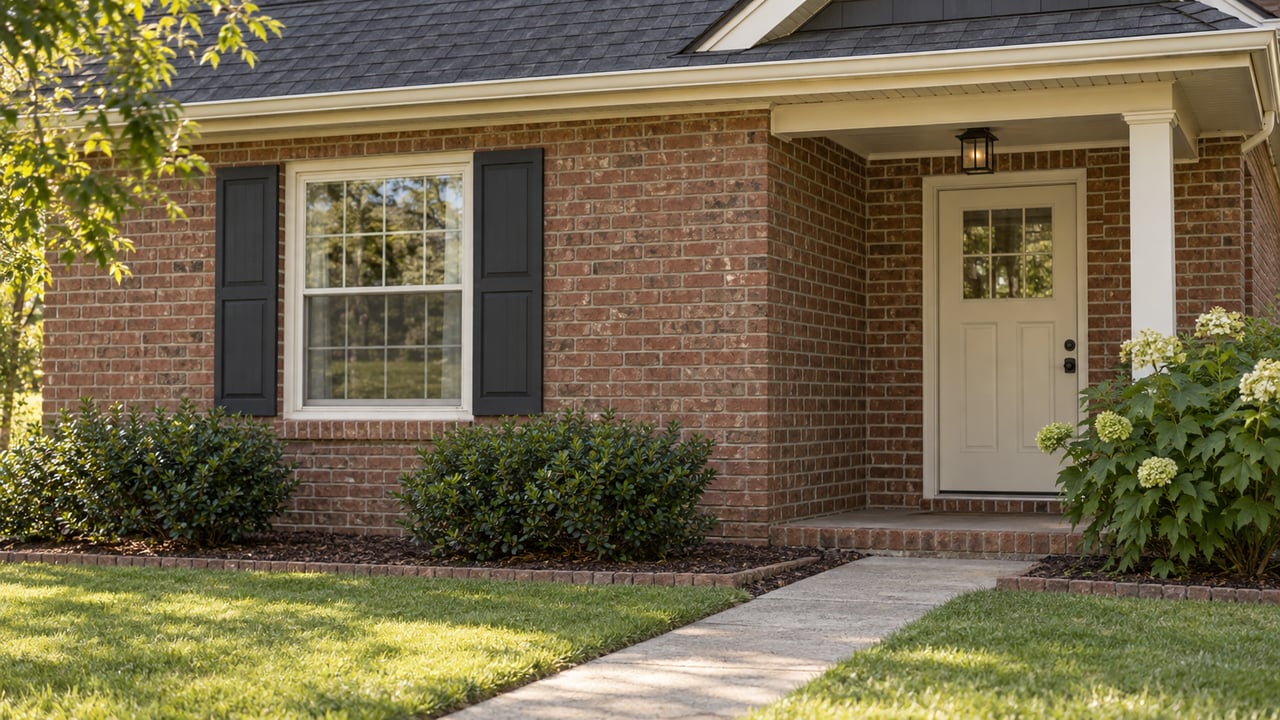
Spartanburg has one citywide home-value figure and at least three different housing markets hiding inside it. As of May 2026, the average home value across the city sat around $236,000, up 2.2% over the year. That number describes no actual house in Spartanburg. It's an average spanning streetcar-suburb bungalows selling in the $370,000s, mill-village cottages, and brand-new subdivisions.
The gap isn't really about age or square footage. It's about a city board most buyers have never heard of, and whether your future house sits inside its jurisdiction.
How Spartanburg's Historic Review Process Works
Spartanburg has three formally designated historic districts: Converse Heights, Hampton Heights, and the Beaumont Mill Village. BuildMasters says any exterior change or addition inside those boundaries, a new roofline, a different front door, a rebuilt porch, has to clear the city's Historic Architecture Review Board for a Certificate of Appropriateness before a building permit is even filed. Interior work isn't covered. The rule applies to what's visible from the street.
That single requirement splits Spartanburg's housing stock into two very different renovation timelines. A kitchen gut in a non-historic subdivision moves at the normal pace of a builder-grade permit. The same kitchen gut in Converse Heights, if it touches the exterior wall, adds a review step before the permit clock even starts. Buyers rarely find this out until they're already under contract and asking a contractor for a bid.
Converse Heights earned its status the old-fashioned way. It was built out between 1890 and 1930 as one of Spartanburg's original streetcar suburbs and was listed on the National Register of Historic Places on January 27, 1983. Its Queen Anne, Bungalow, Craftsman, Four-Square, and Neo-Classical houses sit on deep, mature lots that read as "established" the moment you turn onto the street.
Hoodline reports that Beaumont Mill Village earned its designation on a different timeline. The neighborhood grew up around the Beaumont Manufacturing Company, founded in 1890 with more than 3,000 spindles producing carpet warps and twine. The mill closed in 1997. The surrounding houses, smaller and plainer than anything in Converse Heights, were designated a local historic district by the city in April 2011, more than a century after they were built and well after the industry that built them had left.
Same rulebook. Wildly different houses.
What The Same Rule Means Across Three Areas
| Area | What it is | Typical price range | Historic Board oversight |
|---|---|---|---|
| Converse Heights / Hampton Heights | Streetcar suburb, 1890s-1930s | Roughly $200,000 to $420,000, sold median $374,870 in June 2026 | Yes, COA required for exterior changes |
| Beaumont Mill Village | Former textile mill housing | — | Yes, COA required for exterior changes |
| New subdivisions (Trailside at Drayton Mills, Arcadia Village, Arcadia Heights) | New construction on former mill or greenfield sites | Roughly $200,000 to $400,000 | No, standard permit process only |
Converse Heights carries the district's premium price and its slowest pace. Recent neighborhood data put the median sale price there at $374,870 in June 2026, down 10.7% from a year earlier, with homes typically taking somewhere between seven and ten weeks to sell. That's not necessarily weakness. A buyer's market with slower absorption in a historic district often means more room to negotiate repair credits, which matters more here than in a subdivision, since any exterior repair may need board sign-off before it happens.
Beaumont Mill Village carries the same COA requirement as Converse Heights. A buyer renovating a mill cottage faces the identical review process if the work touches the front of the house.
New construction skips the board entirely, because it isn't inside a designated district. Existing mill-style homes in Spartanburg's Drayton area typically price between $200,000 and $250,000, while newer custom builds going up in the same general area run $310,000 to $400,000. Trailside at Drayton Mills, a craftsman-style new-construction community built along the Daniel Morgan Trail, has already sold out. None of that inventory answers to the Historic Architecture Review Board.
The Money Landing Near Mill-Village Sites
Here's where the story stops being about permitting mechanics and starts being about timing. The mill-village sites discussed here are also where major capital is landing right now.
Construction crews broke ground on September 1, 2026 on a $70 million, 275-unit apartment complex at the old Beaumont Mill site at 553 Isom Street. General contractor Capstone Building Corp is building alongside Taft Family Ventures and a local investment group, with leasing expected to start in 2027 and full completion projected for 2028. The project includes 247 market-rate units and 28 workforce units, and it sits on land that had been vacant for decades before this year.
A few miles away, Clifton Mill Village, another historic mill neighborhood along the Pacolet River, sits next to a $60 million redevelopment already underway near the river.
And west of downtown, Spartanburg County Council voted on August 17 to formally link two new subdivisions, Arcadia Village and Arcadia Heights, to the historic Mayfair Mills property, unlocking state income tax credits under South Carolina's Textiles Communities Revitalization Act. Between them, the two developments plan for 270 small-lot homes: 179 in Arcadia Village on a 60-acre site with more than 40% reserved as open space, and 91 in Arcadia Heights on 36 acres with more than half reserved as open space. Construction is already visible on the ground, with a "Now Selling" banner posted at Arcadia Village.
None of these three projects is inside a designated historic district in the sense that governs Converse Heights or Beaumont's existing houses. The apartments and the new subdivisions are built on cleared industrial land, so they bypass the Certificate of Appropriateness process even while trading on the same mill-town branding. That distinction matters for anyone buying nearby: the "Mills" name on a development doesn't tell you whether the Historic Architecture Review Board has a say in what it looks like. Only the parcel's actual historic-district status does.
What This Means If You're Comparing Spartanburg Neighborhoods
If your plan involves changing what a house looks like from the street, ask whether the specific parcel sits inside one of Spartanburg's three historic districts before you assume a renovation timeline. Converse Heights, Hampton Heights, and Beaumont Mill Village all require it. A house one block outside those boundaries, even one built in the same decade with the same bones, doesn't.
It also matters which government issues your permit in the first place. Inside Spartanburg's city limits, permits go through the City of Spartanburg. In the unincorporated county, they go through Spartanburg County instead. Arcadia Village and Arcadia Heights, for instance, sit west of the city on former Mayfair Mills land, which changes who you're filing with before you change anything about the house.
And if you're weighing Beaumont or Clifton specifically, factor in the nearby projects: $70 million at Beaumont and $60 million near Clifton, more than $100 million combined. That can mean rising comparable sales over the next few years. It can also mean living beside an active construction site through 2027 and 2028. Both are true at once.
Frequently Asked Questions
Does the Certificate of Appropriateness cover interior renovations? No. The Historic Architecture Review Board's review applies to exterior changes and additions, the parts of a house visible from the street. Interior kitchen and bath work generally follows the standard permit process.
Are all older homes in Spartanburg inside a historic district? No. Only Converse Heights, Hampton Heights, and the Beaumont Mill Village carry the local historic-district designation that triggers Historic Architecture Review Board oversight. Other older neighborhoods, including mill-village areas like Drayton or Clifton, may share the architectural character without the same formal review requirement, so it's worth confirming a specific parcel's status rather than assuming based on the neighborhood's age or name.
Does new construction near a historic mill site have to follow historic-district rules? Generally no. Projects like Trailside at Drayton Mills, Arcadia Village, and Arcadia Heights are built on former mill or industrial land rather than inside the boundaries of a designated historic district, so they follow the standard city or county permit process rather than the Certificate of Appropriateness review.
If you're weighing a streetcar bungalow against a mill cottage against a new build in Spartanburg and want a straight read on which one fits your renovation plans and your timeline, Upstate Home Source can walk the specific parcel with you before you write an offer.
This article is general information, not legal, tax or financial advice. Consult a qualified professional about your situation.