Trying to choose between Greenville and Spartanburg can feel like picking between two good options that offer very different day-to-day lifestyles. If you are moving within the Upstate, relocating from out of town, or simply weighing where your budget will go farther, the right fit often comes down to how you want to live, commute, and spend your weekends. The good news is that the numbers and local amenities make the tradeoffs easier to understand. Let’s dive in.
Greenville vs. Spartanburg at a Glance
If you want the shortest possible summary, here it is: Spartanburg is generally the more budget-friendly and compact home base, while Greenville is larger, more amenity-rich, and more expensive.
That difference starts with city scale. According to the U.S. Census Bureau’s Greenville city profile, Greenville had 74,371 residents in 2024, while Spartanburg is the smaller of the two hubs. Greenville also sits along major routes including I-85, I-185, and I-385, which helps support its bigger regional footprint.
Housing Costs Shape the Decision
For many buyers, this is the section that matters most. If your top goal is stretching your housing budget, Spartanburg has a clear advantage based on current census figures.
According to the U.S. Census Bureau’s Spartanburg city housing data, the median value of owner-occupied homes is $203,700 in Spartanburg compared with $487,500 in Greenville. Median gross rent is also lower in Spartanburg at $1,099 versus $1,312 in Greenville.
That is a meaningful gap. In simple terms, Greenville’s median home value is a little under 2.4 times Spartanburg’s, which can affect everything from your monthly payment to the size or condition of home you can realistically target.
When Spartanburg Makes More Sense
Spartanburg may be the better fit if you want to:
- Keep your purchase price lower
- Leave more room in your budget for updates or savings
- Focus on owner-occupied neighborhoods in a smaller city setting
- Prioritize value over access to a larger downtown scene
The same census data shows a higher owner-occupied housing rate in Spartanburg, 53.9% compared with 41.1% in Greenville. While that does not tell the whole story of any one area, it does support the idea that Spartanburg has a different housing pattern than Greenville’s denser urban core.
When Greenville May Be Worth the Cost
Greenville may make more sense if you are comfortable with a higher price point in exchange for:
- A larger urban center
- More downtown destinations
- Expanded park and trail access
- A broader transit and mixed-use environment
If your lifestyle priorities lean heavily toward amenities and activity, that higher cost may feel justified.
Downtown Feel Is Very Different
Housing costs are only part of the story. The bigger question is what kind of daily rhythm feels right to you.
Spartanburg’s downtown experience is centered around a few key anchors. The city highlights Morgan Square, the Chapman Cultural Center, and a planned redesign that would expand gathering areas and increase green space by about 70 percent. Just south of downtown, the Mary Black Rail Trail adds a 2-mile walking and cycling route.
Greenville offers a broader and more destination-oriented downtown environment. The city’s information for Falls Park on the Reedy highlights overlooks, trails, picnic areas, garden spaces, mill ruins, and the Reedy River falls. Greenville also benefits from a larger greenway network and the well-known Swamp Rabbit Trail system.
What This Means for Daily Life
If you picture weekends in a compact downtown with a few familiar anchors, Spartanburg may feel easier to navigate and simpler to make part of your routine. If you want a bigger mix of parks, trails, downtown activity, and visitor energy, Greenville likely gives you more options.
Neither choice is automatically better. It depends on whether you want smaller-scale convenience or a broader menu of things to do.
Commuting, Parking, and Getting Around
Many buyers focus on commute time, but in this part of the Upstate, the better question is often how you want to move through your day.
The Greenville-Spartanburg connection sits inside the larger I-85 corridor, and the South Carolina Department of Transportation has announced a corridor study covering the Anderson-Greenville-Spartanburg area. That matters because long-term mobility and reliability on that interstate spine can shape the experience of living in either city.
Spartanburg Transit and Parking
Spartanburg’s system is city-centered and straightforward. The city says SPARTA public transportation provides low-cost bus service throughout the city and to some destinations outside city limits, while SpartaGo offers a shared on-demand option with $2.00 rides on weekdays and Saturdays.
Parking is also a noticeable part of the Spartanburg lifestyle. According to the city’s downtown parking information, downtown offers more than 3,300 spaces, the first 2 hours are free, and parking is free after 5 p.m. and all weekend.
Greenville Transit and Parking
Greenville has a broader transit setup. Greenlink provides fixed-route and ADA transportation across Greenville County, and the downtown trolley adds another option for getting around the core.
Greenville’s parking system is larger too, with more than 8,000 spaces and 800 free on-street spaces, along with free weekend parking in select locations according to city parking information cited in the research. For some buyers, that larger system supports a more car-light routine. For others, Spartanburg’s smaller footprint may simply feel easier.
Historic Home Options in Both Cities
If you love older homes, character details, and established districts, both cities offer options. The style and concentration are just a little different.
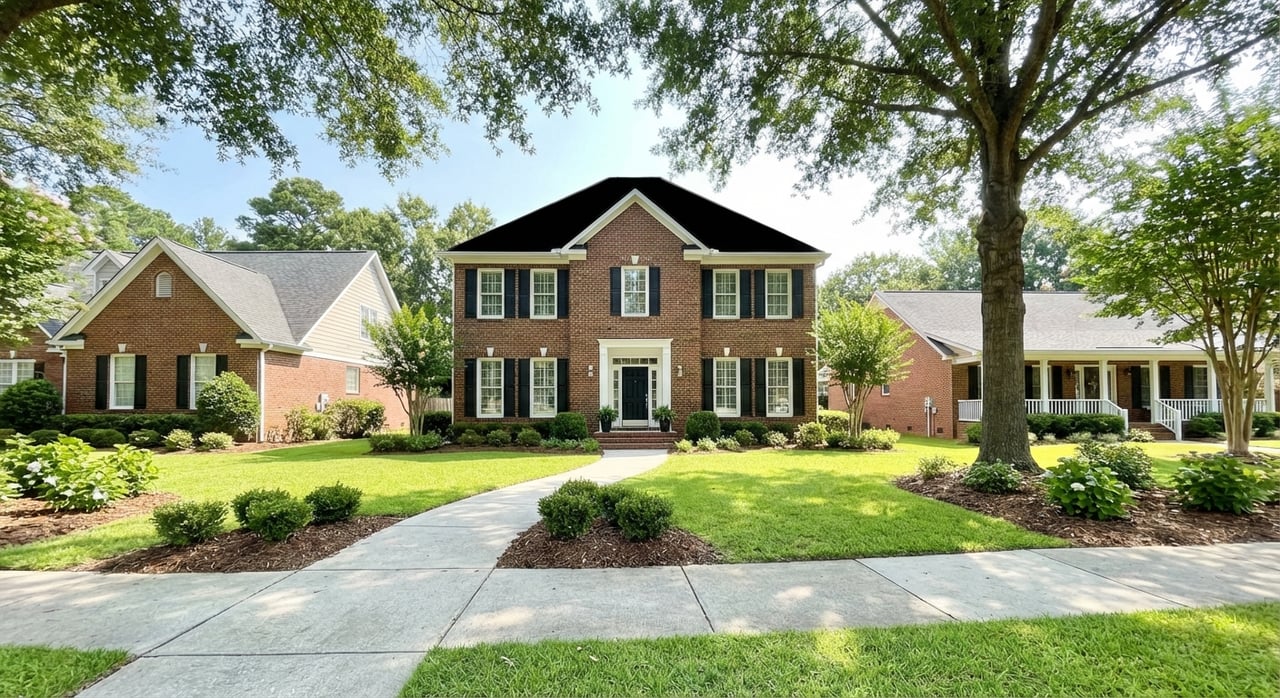
Spartanburg has especially clear historic housing examples in its preserved districts. The city’s historic districts page notes that Hampton Heights includes 375 residences developed between 1890 and 1930, with Queen Anne, Bungalow, Craftsman, Four-Square, and Neo-Classical styles. Beaumont Mills includes 317 properties and 15 major house types tied to the mill village.
Greenville also has multiple named historic districts near or around downtown, including West End, Pettigru, Overbrook, Hampton-Pinckney, East Park Avenue, Heritage, and Colonel Elias Earle, according to the same research set.
How to Think About Character Homes
If you are drawn to mill-village history and early-20th-century architecture, Spartanburg may deserve a close look. If you want a larger city with several historic districts clustered near the core, Greenville offers more variety in that setting.
In either case, historic-home shopping usually means balancing charm with condition, updates, and maintenance needs. That is where local guidance can save you time and surprises.
Newer Development and Housing Variety
These cities are not standing still. Both have zoning and development patterns that support a mix of housing choices, especially closer to their downtown areas.
Spartanburg’s downtown code encourages mixed uses and housing options, and the city approved a mixed-use project with 86 townhomes on North Church Street in 2023, based on the city development information in the research report. Greenville’s development code includes neighborhood-scale and downtown mixed-use categories that support a broader range of infill and walkable housing forms.
For you, that means the decision is not only about old versus new. It is also about whether you want a more compact, emerging downtown housing mix or a larger city with a deeper bench of infill and mixed-use options.
Which Upstate Home Base Fits You Best?
If you are still deciding, this quick breakdown can help.
Choose Spartanburg if you want:
- A lower-cost entry point
- Lower median rent and home values
- A smaller, more compact downtown
- Simpler parking and a city-centered routine
- Clear historic districts with early-20th-century housing character
Choose Greenville if you want:
- A larger city environment
- More parks, trails, and downtown destinations
- Broader transit coverage
- A bigger visitor and event scene
- More extensive mixed-use and urban infill options
The right answer depends on your budget, commute habits, and what home base feels comfortable to you. Some buyers want the bigger-energy setting and accept the cost that comes with it. Others would rather keep housing costs lower and enjoy a downtown that feels a little easier to navigate.
A Local Strategy Matters
Comparing Greenville and Spartanburg is easier on paper than it is in real life. Once you start touring homes, neighborhood patterns, housing styles, parking habits, and commute routes can feel very different from what you expected online.
That is why a local, hands-on approach matters. Whether you are relocating, buying your next home, or trying to narrow your search area, working with someone who understands how these Upstate markets function can help you make a decision that fits both your lifestyle and your numbers.
If you are weighing Greenville versus Spartanburg and want practical guidance tailored to your budget and goals, connect with Micha Kelley. You will get clear, local insight and personal support as you figure out which Upstate home base makes the most sense for you.
FAQs
What is the biggest cost difference between Greenville and Spartanburg?
- Based on U.S. Census data, Spartanburg has a much lower median owner-occupied home value at $203,700 compared with $487,500 in Greenville, and median rent is also lower in Spartanburg.
Which city has the larger downtown experience, Greenville or Spartanburg?
- Greenville has the larger downtown amenity set, including Falls Park, a broader trail network, and a downtown trolley, while Spartanburg has a more compact downtown centered around Morgan Square and nearby cultural anchors.
Is Spartanburg easier for parking than Greenville?
- Spartanburg may feel simpler for many drivers because downtown offers more than 3,300 spaces, the first 2 hours are free, and parking is free after 5 p.m. and all weekend.
Which city offers better public transportation, Greenville or Spartanburg?
- Greenville has the broader fixed-route transit system through Greenlink, while Spartanburg offers city-centered bus service through SPARTA plus the SpartaGo on-demand option.
Are there historic homes in both Greenville and Spartanburg?
- Yes. Spartanburg has notable historic districts such as Hampton Heights and Beaumont Mills, while Greenville has several named historic districts near or around downtown.
How do you decide between living in Greenville and Spartanburg?
- A practical way to decide is to compare your budget, commute needs, housing style preferences, and how important parks, trails, downtown activity, and parking convenience are to your daily routine.