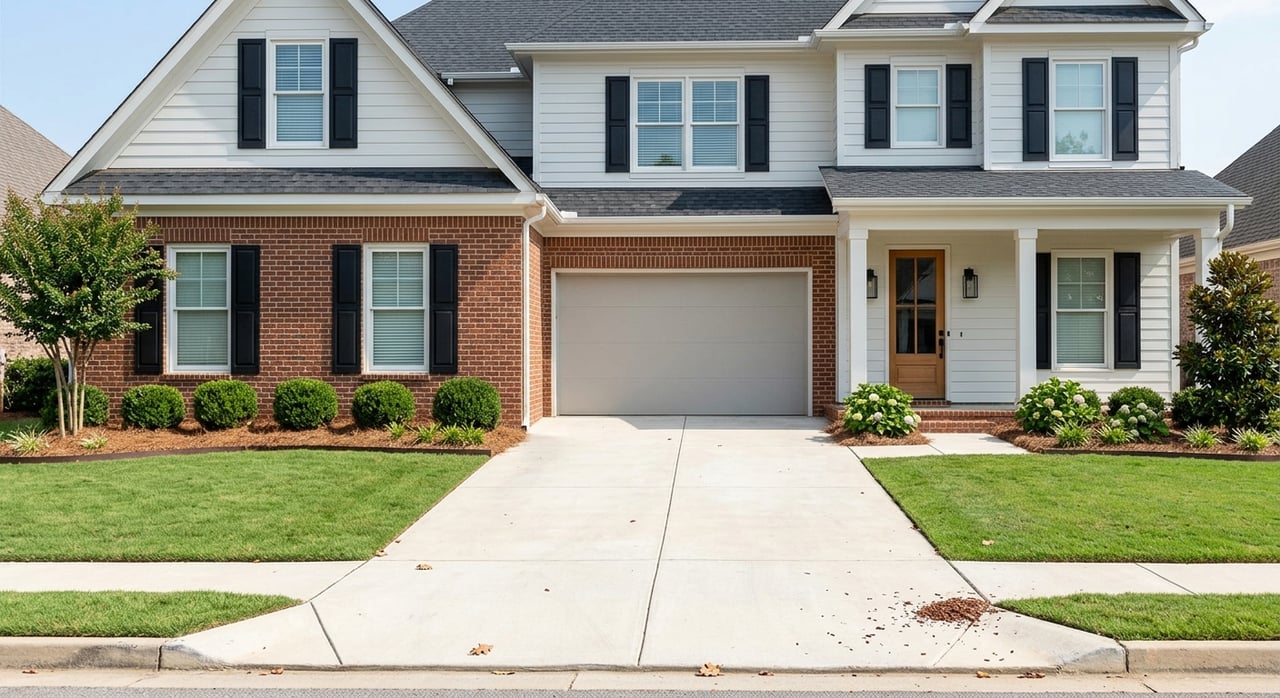
Choosing between Fountain Inn’s historic streets and its newer subdivisions is not really about picking one “good” side of town over another. In a city that covers about 7.3 square miles, your decision is usually more about how you want to live day to day. You may want older homes near Main Street, or you may prefer newer planning, trail access, and a more predictable subdivision layout. This guide will help you compare both options in a practical way so you can focus on what fits your routine, budget, and goals. Let’s dive in.
Why this choice feels different in Fountain Inn
Fountain Inn is compact, with 4,803 housing units, so the historic-versus-newer question is less about a long cross-town drive and more about street pattern, lot age, parking, and upkeep. You are not choosing between two far-apart worlds. You are usually choosing between two different living styles within the same small city.
The city’s identity still centers on its downtown and Main Street. That matters because the closer you get to the historic core, the more you feel that older street grid, pedestrian activity, and connection to local shops, dining, and events.
Historic streets in Fountain Inn
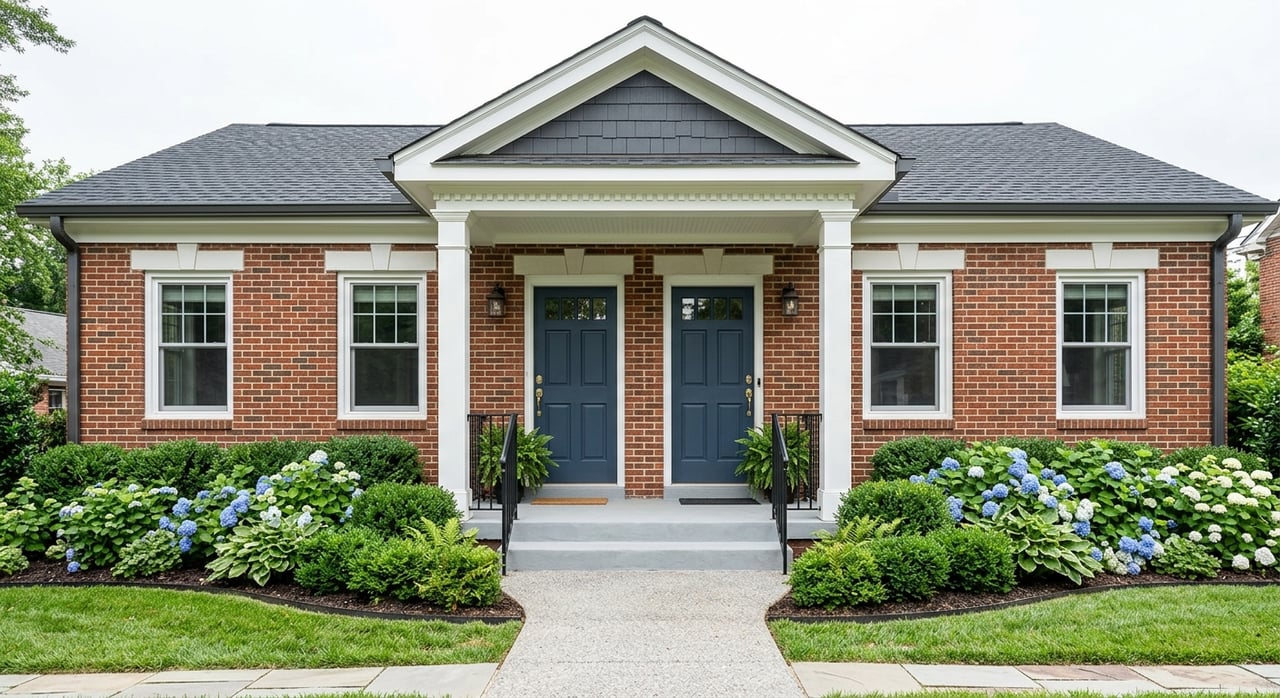
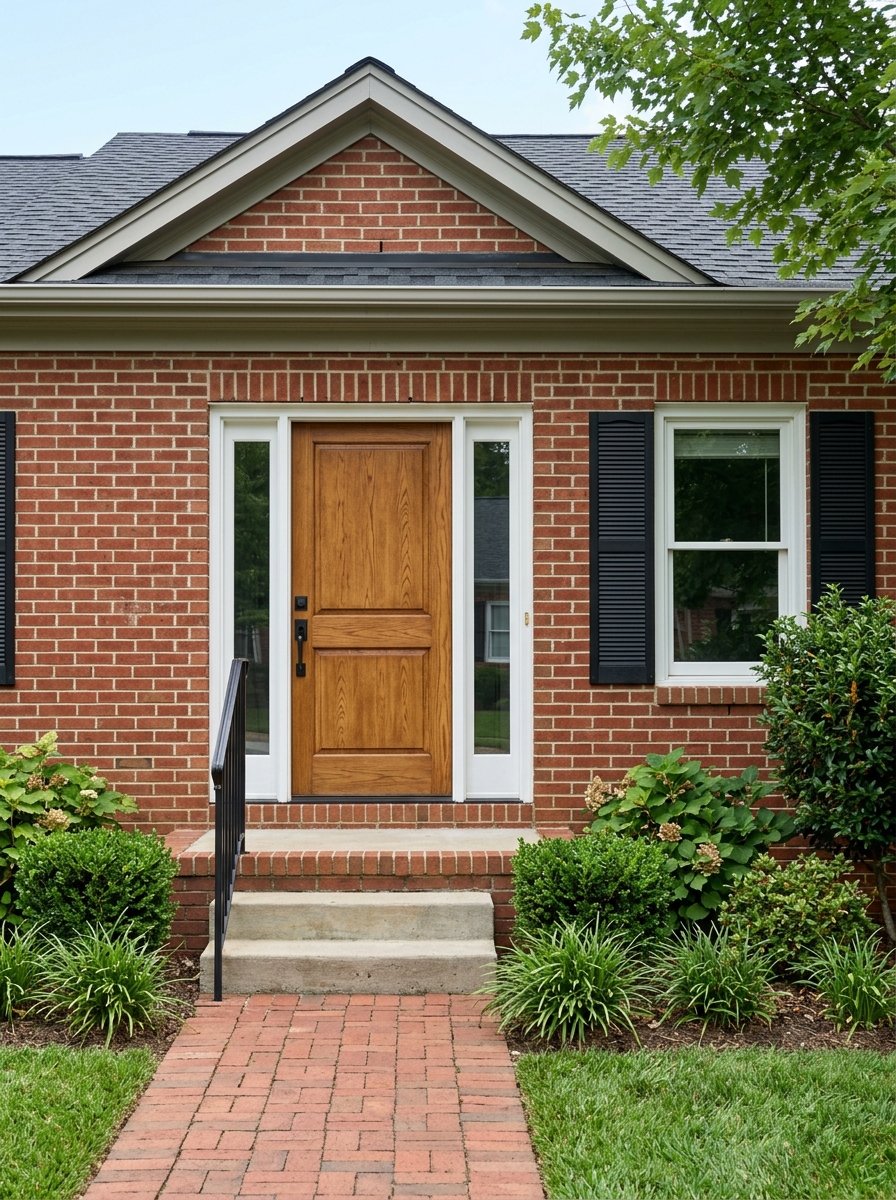
If you are drawn to character, older architecture, and a tighter in-town layout, the historic streets may feel like home right away. These areas reflect Fountain Inn’s earlier development pattern, where homes, downtown activity, and neighborhood streets were closely tied together.
The best-documented historic residential areas include Woodside Mill Village on Woodside Avenue and First through Fifth Streets, the North Main Street and Weston Street residential district, and the Main Street central business district between Jones Street and Fairview Avenue. These are the clearest places to explore if you want to understand Fountain Inn’s older in-town feel.
What historic areas usually offer
Historic streets tend to appeal to buyers who want to be closer to Main Street and enjoy an older street pattern. Downtown is still the city’s activity center, and the zoning code treats the central business district as a pedestrian-focused area with retail, lodging, restaurants, and civic uses.
That helps explain why these in-town areas often feel more walkable and more active than edge subdivisions. If you like the idea of being near dining, shops, services, and local events, this side of Fountain Inn may line up with your priorities.
What the homes and lots can look like
In the Woodside Mill Village area, the historic survey identified 67 closely clustered houses on very small lots. Many were originally wood-frame homes, mostly single-story, with porches and brick foundations or chimneys.
That pattern creates a very different feel from a modern subdivision. You may find homes closer together, smaller lots, and streets that feel more tied to the historic fabric of town than to newer planned development.
The trade-offs to expect
Historic streets come with real benefits, but they also come with real questions to ask before you buy. The historic survey notes many buildings with vinyl siding, replacement windows and doors, new foundations, and roof changes.
For you, that can mean a higher chance of exterior repairs, renovation decisions, or update work compared with a newer home. If you love older homes, it helps to go in with a realistic maintenance budget and a clear plan for future improvements.
Parking and convenience near downtown
One of the clearest downtown trade-offs is parking. The city is planning a 61-space lot at Jones and Wall Streets to help relieve congestion, and the Main Street streetscape extension from Jones Street to Highway 418 includes parking lines, bump-outs, landscaping, lighting, water lines, and hardscaping.
That tells you something important about in-town living. Being near downtown activity can be fun and convenient, but parking may not feel as simple or abundant as it does in newer neighborhoods.
Recreation is still close by
Living near the historic core does not mean giving up access to outdoor spaces. Fountain Inn has six parks and the Fountain Inn Activities Center, and a section of the Swamp Rabbit Trail runs just north of downtown to Fountain Inn High School.
So if your goal is to stay close to Main Street while keeping recreation nearby, central in-town areas can still check that box.
Newer subdivisions in Fountain Inn
If you want newer planning standards, more predictable lot layouts, and a more car-oriented everyday pattern, newer subdivisions may be the better fit. These areas reflect the city’s current growth and infrastructure planning rather than the older street grid.
This option often appeals to buyers who want a more standardized neighborhood layout and who are paying close attention to trail access, school geography, and newer growth corridors.
What newer areas usually offer
Fountain Inn’s adopted development standards show that newer neighborhoods are shaped by formal subdivision rules. The city’s residential districts range from 7,500-square-foot lots to 15,000-square-foot lots, and larger developments must add stub streets and connect to adjoining subdivisions when possible.
The city also includes an open-space residential option in its development rules. In practical terms, that means newer neighborhoods are being built with a more structured planning approach than the historic in-town grid.
Growth is moving north
The city is actively extending services toward the north side of town. Fire Station #3 is planned at Scuffletown Road and Jones Mill Road to serve rapidly growing northern areas and reduce response times.
If you are looking at growth-edge neighborhoods, this is a useful signal. It shows where the city expects ongoing expansion and where public services are being added to support that growth.
Trail access is a major plus
One of the strongest examples of newer-area planning is the Swamp Rabbit Trail expansion. The city has a planned 2-mile paved shared-use path that will connect Mulberry Estates, Fountain Inn High School, and Bryson Elementary School.
For buyers who want newer neighborhood living with built-in recreation access, that corridor stands out. It is one of the clearest examples of how Fountain Inn is shaping its growth-edge areas.
School geography may influence your search
School location is often part of the conversation when buyers compare historic streets and newer subdivisions. Fountain Inn Elementary is just west of downtown on Fairview Street, while Fountain Inn High School opened fully in fall 2021.
Rather than assuming one area is better, it makes sense to think about which part of town puts you closer to the places you expect to visit often. In Fountain Inn, that may mean comparing the older in-town core with the newer corridor tied more closely to the high school and trail expansion.
Ask about drainage responsibilities
This is one of the most practical questions to ask in a newer subdivision. The city says storm drains in road rights-of-way are maintained by the city, but stormwater facilities outside those rights-of-way are typically built by developers and are not city-maintained.
That means you should ask who handles long-term repair and whether an HOA has ongoing responsibility. A neighborhood can look great on the surface, but you still want to understand what maintenance obligations may exist behind the scenes.
How to decide what fits you best
The best choice usually comes down to your daily priorities. Historic core living often makes the most sense if you care most about character, downtown proximity, and a tighter street pattern.
Newer subdivisions often make the most sense if you care most about newer infrastructure, predictable lot planning, and convenience to trail and school corridors. Neither choice is automatically right for everyone.
A simple way to compare your options is to ask yourself:
- Do you want to be closer to Main Street activity?
- Are you comfortable with possible renovation or exterior maintenance work?
- Do you prefer smaller older lots or more standardized subdivision layouts?
- How important are trail access and newer growth-area amenities?
- Will parking convenience matter to you every day?
- Do you need to understand HOA or drainage responsibilities before moving forward?
Micro-areas worth touring in person
When you are comparing neighborhoods in Fountain Inn, it helps to see both living styles firsthand. A short in-person tour can tell you more than a map search alone.
Here are a few areas to explore:
Woodside Avenue and First through Fifth Streets
This is the clearest mill-village example in Fountain Inn. You will see closely spaced historic cottages and duplexes on very small lots, which gives you a strong sense of the town’s older residential pattern.
North Main Street, Weston Street, Quillen Avenue, and Hellams Street
This area offers one of the strongest examples of Fountain Inn’s older in-town residential layout outside the mill village. If you want historic neighborhood character without being limited to one small pocket, this is a smart area to study.
Main Street, Jones Street, and Wall Street
This is the center of downtown activity and redevelopment. It is the best place to observe the city’s pedestrian-focused core, current parking improvements, and concentration of restaurants, retail, and services.
Scuffletown Road and Jones Mill Road
This area is useful if you want to watch where services are expanding in support of newer neighborhoods. The planned fire station makes this corridor especially relevant for buyers tracking north-side growth.
Mulberry Estates, Fountain Inn High School, and Bryson Elementary corridor
This is the strongest current example of a newer-area, trail-access corridor. If you want to picture what growth-edge living may look like in Fountain Inn, this is one of the best places to start.
One more factor: your commute route
Because Fountain Inn sits on the I-385 corridor, your best neighborhood may depend as much on your route as on the home itself. A city planning draft notes that completion of I-385 improved access to regional industry growth.
So even in a smaller city, commute patterns still matter. If you are deciding between historic streets and a newer subdivision, it is worth test-driving the routes you expect to use most often.
A practical bottom line
If you love older architecture, Main Street access, and a more connected in-town feel, Fountain Inn’s historic streets may be the right match. Just make sure you are ready for smaller lots, possible parking friction, and a higher chance of renovation or exterior maintenance needs.
If you prefer newer planning standards, a more predictable neighborhood layout, and access to growth-edge amenities like the trail expansion corridor, a newer subdivision may serve you better. In either case, the smartest move is to verify parking, drainage responsibility, and likely maintenance costs before you commit.
If you want help comparing Fountain Inn neighborhoods with a local, practical lens, Micha Kelley can help you narrow your options and find the right fit for how you actually live.
FAQs
What is the main difference between historic streets and new subdivisions in Fountain Inn?
- Historic streets usually offer older homes, smaller lots, a tighter street pattern, and closer access to Main Street, while newer subdivisions usually offer more formal lot planning, growth-area infrastructure, and a more car-oriented layout.
Which Fountain Inn areas are considered part of the historic in-town pattern?
- Key historic areas include Woodside Avenue and First through Fifth Streets, the North Main Street and Weston Street area, and the Main Street district between Jones Street and Fairview Avenue.
What should buyers check before purchasing in a newer Fountain Inn subdivision?
- Ask about stormwater and drainage responsibilities, whether an HOA maintains any facilities, how the lot is laid out, and how close the neighborhood is to the city’s newer growth corridors and trail plans.
Is downtown Fountain Inn easier to walk around than newer neighborhoods?
- The city’s zoning code treats the central business district as a pedestrian-focused area, so the downtown core generally feels more walkable and activity-oriented than edge subdivisions.
Are there parking challenges near historic streets in Fountain Inn?
- Parking can be more of a trade-off near downtown, which is why the city is adding a 61-space lot at Jones and Wall Streets and continuing streetscape improvements along Main Street.
Where should I tour if I want to compare both living styles in Fountain Inn?
- A practical tour could include Woodside Avenue and First through Fifth Streets, North Main and Weston Street, the Main Street downtown core, Scuffletown Road and Jones Mill Road, and the Mulberry Estates and Fountain Inn High School corridor.