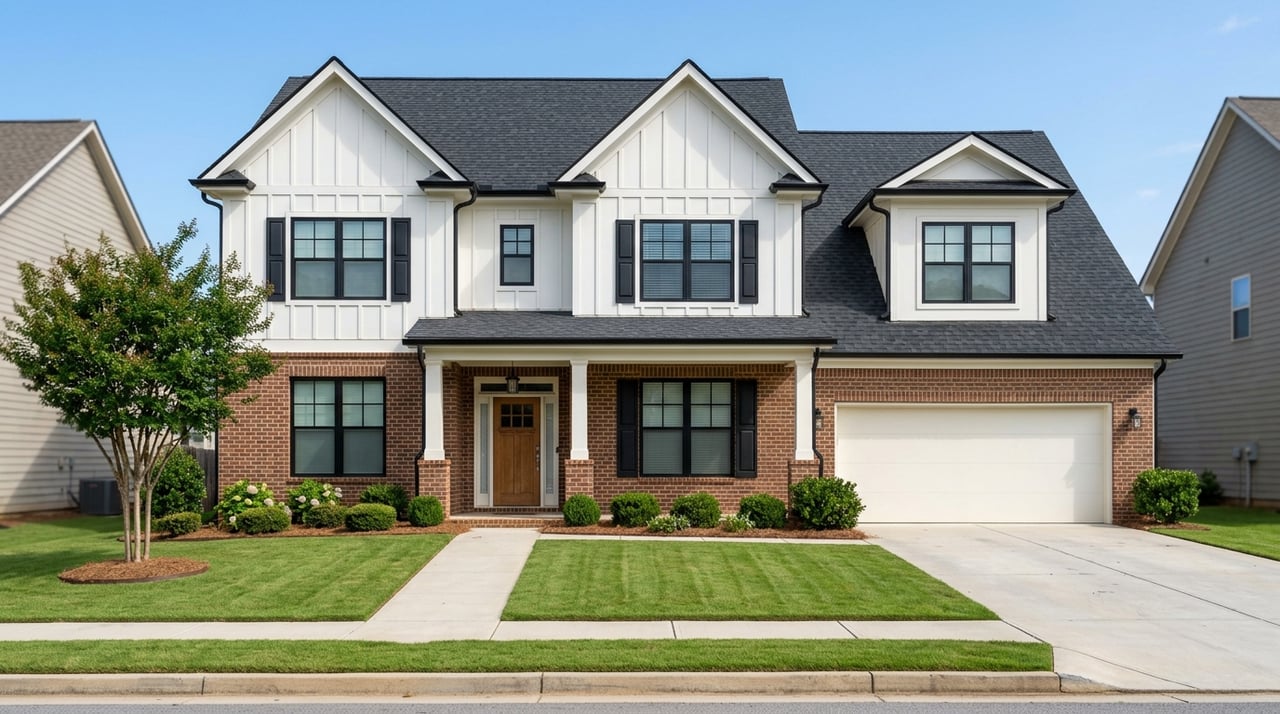
Trying to decide between a newer Mauldin community and an established area? You are not alone. Many buyers love the appeal of new construction and low-maintenance living, while others want a more traditional street setting with a different feel from one block to the next. The good news is that Mauldin gives you both, and each option comes with clear tradeoffs. If you understand how the city has grown, you can narrow your search with a lot more confidence. Let’s dive in.
How Mauldin has grown
Mauldin is a growing Upstate city with more than 30,000 residents, and that growth shows up in the housing choices you will see across town. The city describes itself as a place that offers convenience without giving up a neighborhood feel.
That matters because Mauldin is not simply split into “old” and “new.” The city’s planning materials show neighborhoods approved before 1959 all the way through communities approved after 2020, with future housing growth expected to come mostly through infill and redevelopment.
In plain terms, that means newer housing often appears along key corridors and mixed-use areas, while established neighborhoods reflect older street patterns and a longer build-out history. Where you live in Mauldin can shape everything from your commute to the overall rhythm of daily life.
What newer Mauldin communities look like
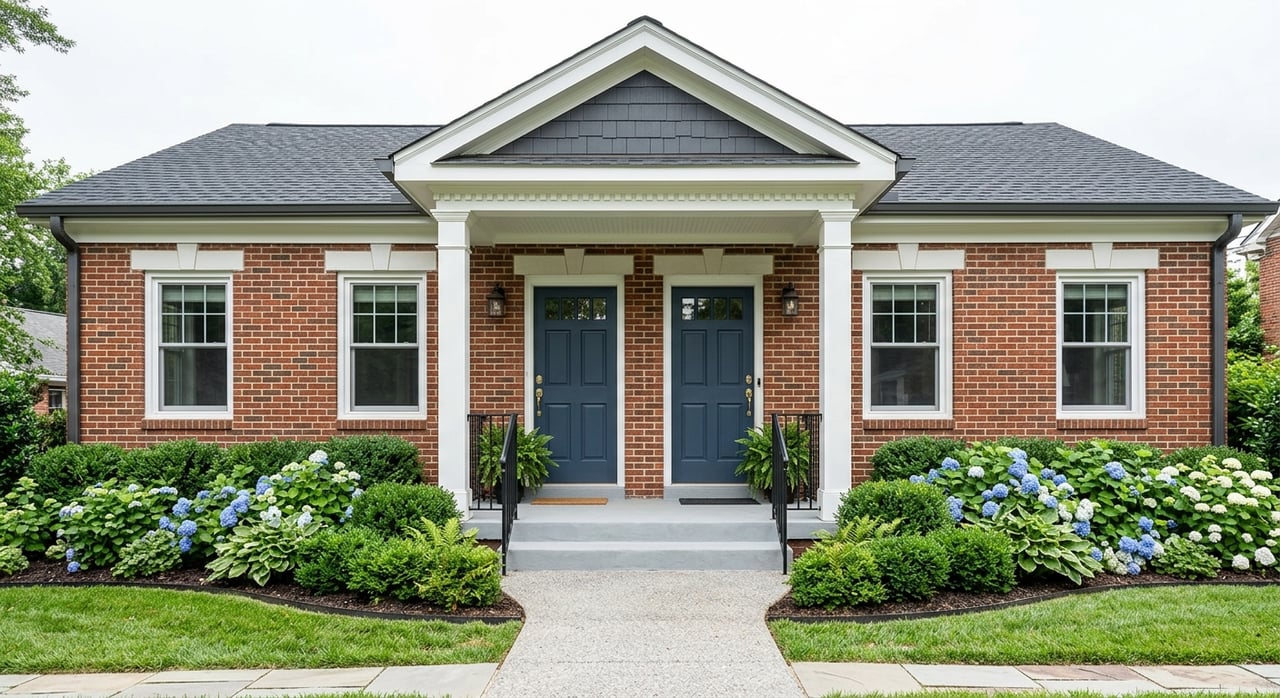
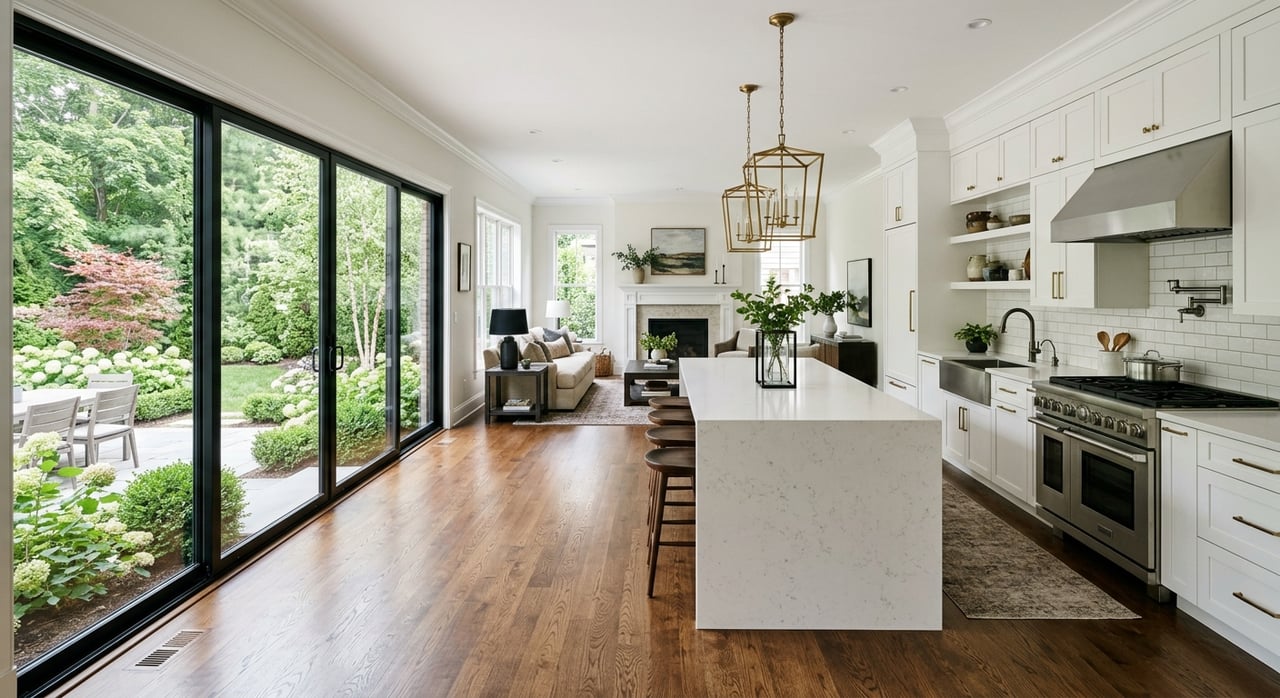
Newer Mauldin communities tend to lean toward lower-maintenance living, more uniform design, and shared amenities. In many cases, that means townhomes, open-concept layouts, garages, and community features that reduce the amount of exterior upkeep you handle yourself.
A good example is Parkland. The city describes it as a 305-townhome development built in phases, and builder information highlights four-bedroom plans, 2.5 baths, two-car garages, planned amenities like a pool and dog park, and HOA-included lawn care.
Amaris is another clear example of Mauldin’s newer housing product. Builder details describe townhomes around 1,470 square feet with three bedrooms, 2.5 baths, one-car garages, Hardie Plank siding, hard-surface flooring, privacy fencing between homes, walking paths, and a fire pit.
If your idea of “new” is less subdivision and more mixed-use, Mauldin also offers that. BridgeWay Station is a 40-acre urban village along I-385 with retail, restaurants, offices, multifamily residential, hotel space, and events, while Maverick Yards adds rental townhomes plus dining and entertainment within City Center Village.
What established Mauldin areas feel like
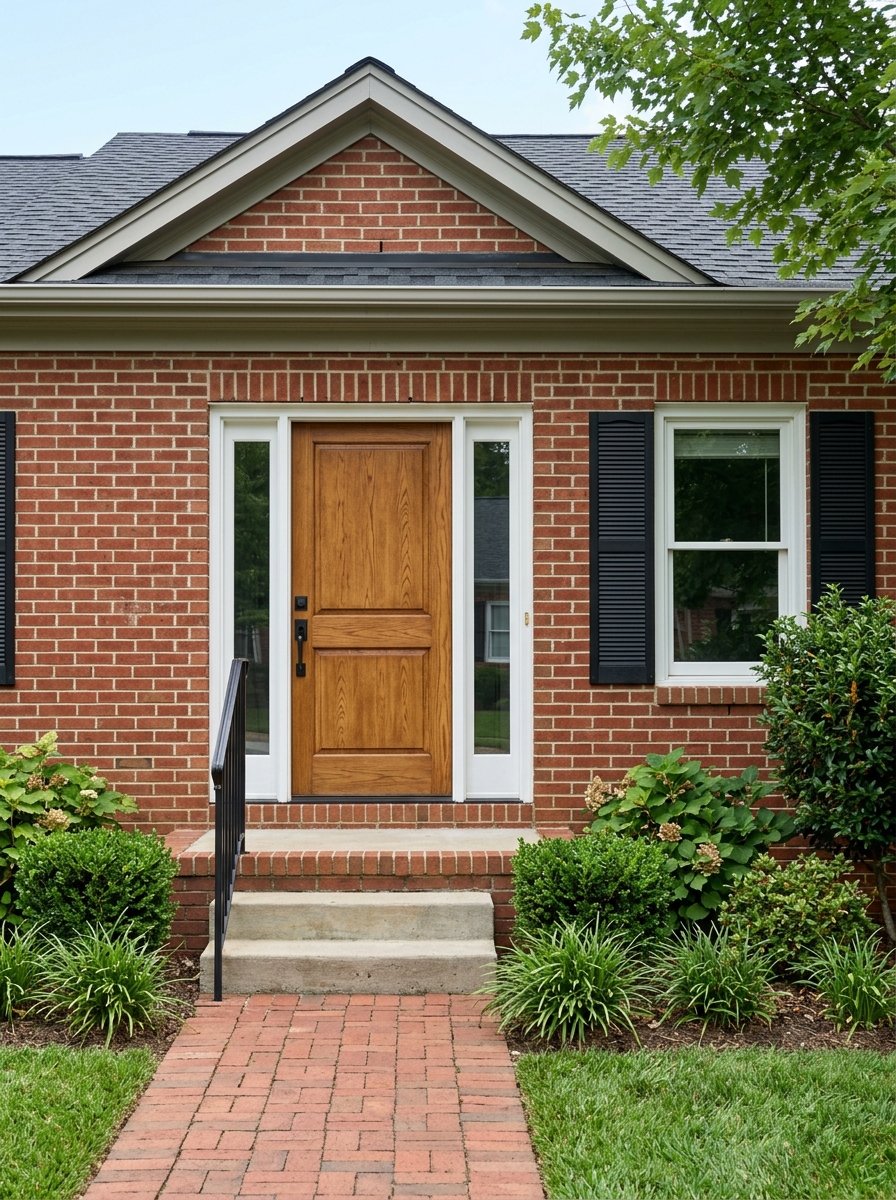
Established parts of Mauldin usually offer a different kind of appeal. Instead of a more standardized product, you are more likely to find variation in street layout, home age, and overall setting.
The city’s planning and parks materials point to older-area references such as Sunset Park near Fowler Circle and Arden Woods along Ashmore Bridge Road. Neighborhood streets listed in city resurfacing schedules, including roads like Knollwood Drive, Meadowood Drive, Pinehurst Drive, and Owens Lane, also help illustrate the older residential fabric many buyers picture when they think of established Mauldin.
These areas are not defined by one style or one exact layout. Instead, the main difference is that the street pattern and housing stock often feel less uniform than newer infill communities and corridor-focused development.
New vs. established: the biggest differences
Home style and finishes
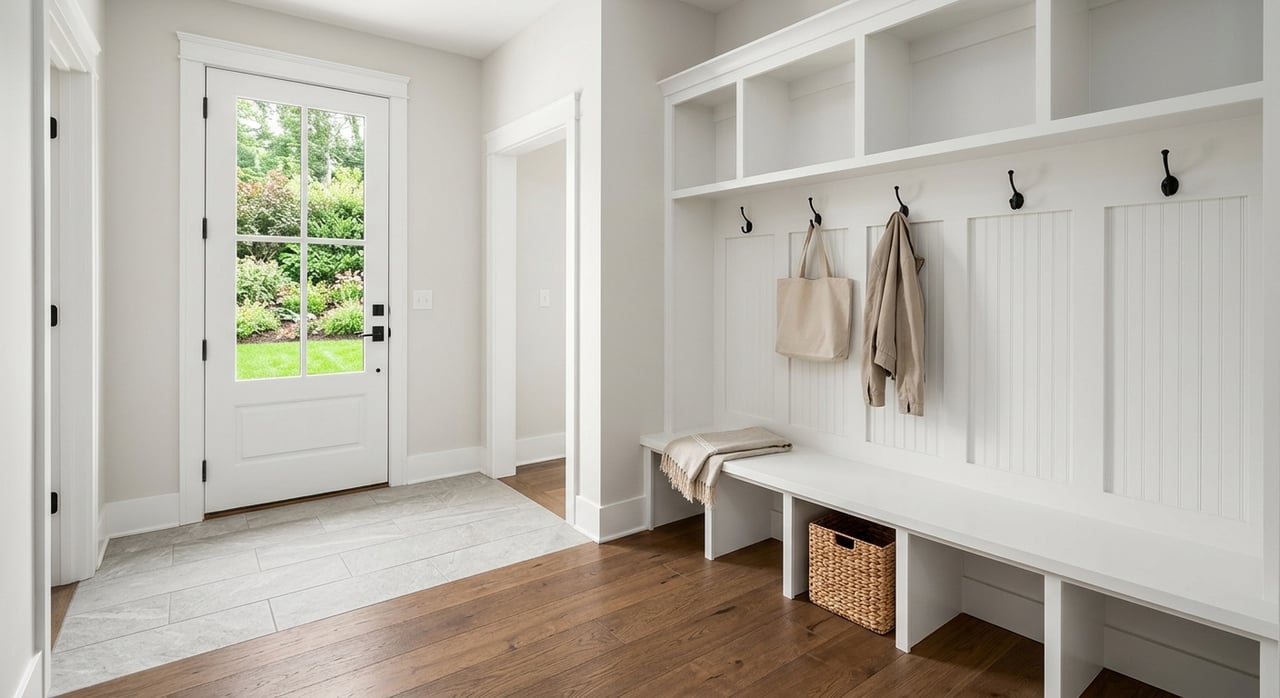
Newer communities in Mauldin often center on attached housing, open-concept floor plans, garages, and builder-selected finishes. Parkland and Amaris both fit that model well, which can appeal to buyers who want a more current look without planning immediate updates.
Established areas usually bring more variation. Because Mauldin’s neighborhoods were developed across many decades, resale homes in older areas may differ more in layout, exterior style, and updates from one property to the next.
Lot size and density
One of the clearest differences is density. Newer Mauldin housing often trades lot size for newer construction, shared amenities, and a more efficient use of land.
Parkland’s 305-townhome setup is a strong example of that pattern. City materials also show recent proposals that combine detached homes and townhomes at a relatively compact density, which supports the broader trend toward infill and redevelopment rather than large-scale new suburban sprawl.
Established areas may offer a different outdoor feel, simply because they were built under a different pattern. If yard space or the sense of having a less tightly arranged streetscape matters to you, older areas may deserve a closer look.
HOA and maintenance
For many buyers, this category can make the decision easier. Newer townhome communities often come with HOA structures that support a more lock-and-leave lifestyle.
In Parkland, lawn care is included through the HOA, and planned amenities add convenience for residents. Amaris also emphasizes shared features like walking paths and a fire pit, which fits the lower-maintenance model many buyers want today.
Established neighborhoods may rely less on private community amenities and more on the city’s public spaces. Mauldin operates five parks and long-established recreation assets such as Sunset Park, Springfield Park, and City Park, so your lifestyle may depend more on nearby public amenities than on neighborhood-specific ones.
Commute and road access
Location within Mauldin matters a lot. Newer communities along Highway 276, I-85, and I-385 often offer more direct access to Greenville and Simpsonville.
Builder information for Parkland highlights access to I-85 and proximity to downtown Greenville, while Amaris is positioned for convenient trips to both Greenville and Simpsonville. At the same time, the city is actively working on improvements along Butler Road and Ashmore Bridge Road, which shows how central corridor access is for local buyers.
Established interior streets may feel quieter and more residential, but they may not connect as directly to the main commuter spine. If you travel daily for work or regular activities, that difference can matter as much as the house itself.
Which option fits your lifestyle best?
If you are comparing Mauldin’s newer communities with its established areas, the right answer usually comes down to your priorities. Neither option is automatically better. It depends on what you want your day-to-day life to feel like.
A newer Mauldin community may be a better fit if you want:
- Lower exterior maintenance
- More uniform construction and finishes
- Shared amenities
- Townhome living
- Faster access to major roads and commuter routes
An established Mauldin area may be a better fit if you want:
- More variation in homes and streetscapes
- An older residential setting
- A potentially different yard or lot feel
- Proximity to long-standing public parks and neighborhood streets
- A setting that feels less tied to newer corridor development
A smart way to compare homes in Mauldin
When you tour homes, try not to focus only on age or square footage. The better question is how each location supports the way you actually live.
Think about how much maintenance you want to handle, how important shared amenities are, how often you use major roads, and whether you prefer a more predictable community design or a more varied neighborhood setting. In Mauldin, those factors often tell you more than a listing photo ever will.
Because much of Mauldin’s future growth is expected to happen through infill and redevelopment, this contrast between newer and established areas will likely stay important for buyers. Understanding that pattern can help you spot the right fit earlier in your search.
If you want help comparing Mauldin neighborhoods, commute patterns, and resale versus new-construction tradeoffs, Micha Kelley can help you narrow your options and move forward with clarity.
FAQs
What is the main difference between new communities and established areas in Mauldin?
- Newer communities in Mauldin usually offer more uniform homes, lower-maintenance living, and shared amenities, while established areas often offer older street patterns, more variation, and a different lot and neighborhood feel.
Are newer homes in Mauldin mostly townhomes?
- Many newer examples in Mauldin, including Parkland and Amaris, are townhome-oriented, although newer housing in the city also includes mixed-use residential settings like BridgeWay Station and Maverick Yards.
Do established Mauldin neighborhoods usually have HOAs and private amenities?
- Established areas may be less centered on private amenities than newer communities, with more reliance on Mauldin’s public parks and recreation spaces such as Sunset Park, Springfield Park, and City Park.
Which Mauldin areas offer easier access to Greenville and Simpsonville?
- Newer communities located near Highway 276, I-85, and I-385 generally offer more direct access to both Greenville and Simpsonville.
How should you compare Mauldin neighborhoods as a buyer?
- A practical way to compare Mauldin neighborhoods is to weigh maintenance needs, amenities, commute convenience, lot feel, and whether you prefer a newer planned setting or a more established residential street pattern.