Trying to decide between a brand-new home and an older resale in Fountain Inn? You are not alone. With the city growing quickly and housing options ranging from newer subdivisions to established neighborhoods with larger lots, the right choice often comes down to how you want to live, how soon you need to move, and what tradeoffs feel worth it to you. If you are weighing both paths, this guide will help you compare them with Fountain Inn specifically in mind. Let’s dive in.
Fountain Inn gives you both options
Fountain Inn is not a market where you have to think in simple black-and-white terms. The city’s draft comprehensive plan shows strong recent growth and more projected growth ahead, which means both new construction and resale homes are part of the local picture.
The same plan also notes that Fountain Inn spans both Greenville County and Laurens County. That matters because county-specific records, taxes, utilities, and school zoning can vary by address. When you compare homes here, it is smart to verify those details property by property instead of assuming every Fountain Inn address works the same way.
The city’s growth pattern also helps explain why your options can feel very different from one area to the next. According to the draft plan, many newer subdivisions are on the north side of the city, while south of I-385 you will also find smaller subdivisions and some higher-density development. Around the edges of the city, there are still larger rural residential lots, including parcels over two acres.
What new construction looks like
In Fountain Inn, new construction often means planned communities, newer street layouts, and a wide range of lot sizes. City planning rules require certain new developments over five acres to include stub streets and, where available, connections to adjoining subdivisions. That helps explain why newer neighborhoods can feel more connected and intentionally designed than some older areas.
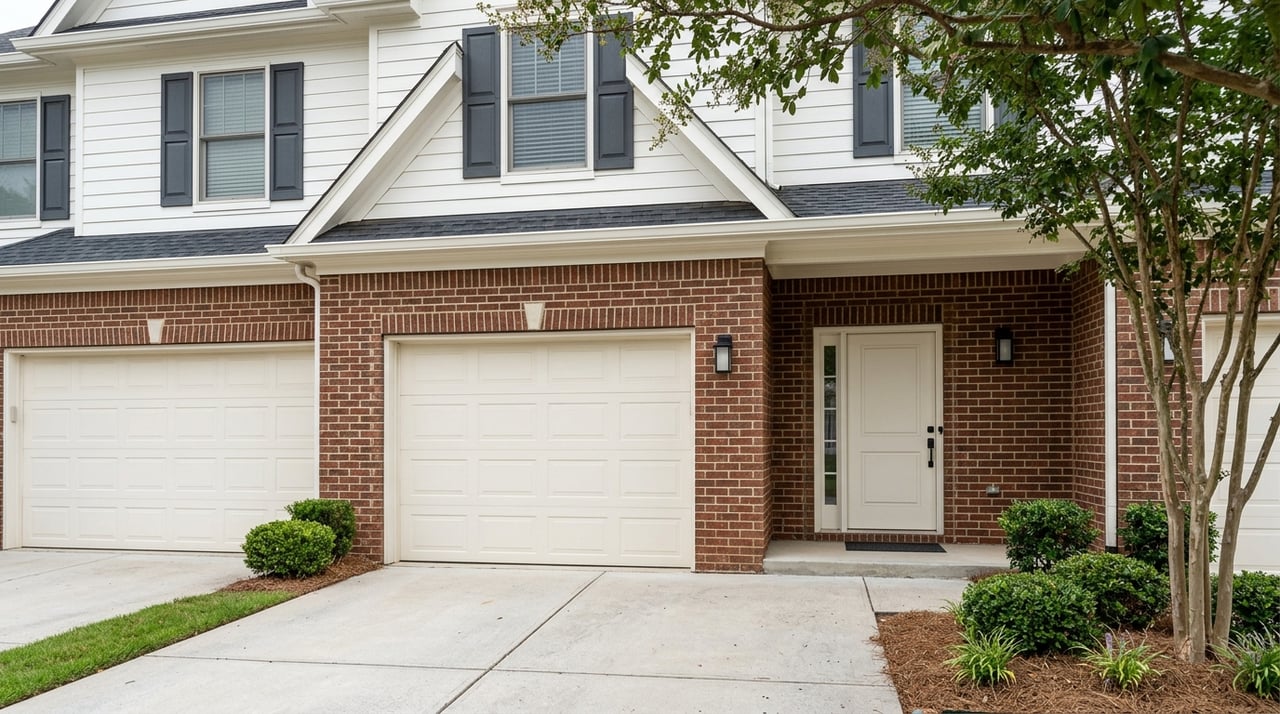
New does not always mean the same thing, though. Some communities offer detached homes on moderate lots, while others include smaller-lot cottages or townhome-style products. In other words, you cannot assume every new neighborhood will give you a large yard or the same monthly ownership costs.
Community examples in Fountain Inn show just how much variation there is. Briargate includes detached homes, community cabanas, and a pool, with a median lot size of 13,068 square feet. Fox Tail Cottages shows lots around 4,792 to 5,663 square feet, while Stoneledge Cottages townhomes are smaller still, with lots around 0.05 to 0.06 acres.
HOA and amenities vary widely
One of the biggest myths about new construction is that every neighborhood has the same HOA setup. That is simply not true in Fountain Inn. Some newer communities may have no HOA, while others have mandatory fees tied to amenities or shared maintenance.
For example, Briargate is described as having no HOA, while Fox Tail Cottages shows HOA fees in roughly the $68 to $85 per month range. Stoneledge Cottages has approximate HOA fees near $170 per month. The takeaway is simple: if HOA rules, costs, or restrictions matter to you, you need to review the details for the exact community you are considering.
Amenities can also shape the value equation. Bridgeway, near downtown Fountain Inn, includes features such as a playground, dog park, fire pit, and pavilion. If shared amenities matter more to you than a larger private yard, certain new communities may line up well with your priorities.
Timing and customization matter
New construction can give you flexibility, but it can also require patience. In Fountain Inn, current examples include move-in ready homes, homes under construction, and buildable plans. That means your timeline may range from a quick move to a longer wait, depending on the community and the stage of the home.
Customization is another major draw for many buyers. Some buildable plans allow for personalization, while move-in ready homes may have fewer or no customizable features. Builder materials also note that features can vary by homesite or purchase agreement, so it is important to rely on written feature sheets and contract terms, not just renderings or model-home impressions.
There can also be cost differences tied to new construction that buyers do not always think about upfront. Fountain Inn collects development impact fees at building permit issuance, and the city’s current single-family fee is $3,137. While that does not automatically tell you what you will pay in a transaction, it is a reminder that new homes can come with different cost layers than resale properties.
Why buyers choose resale homes
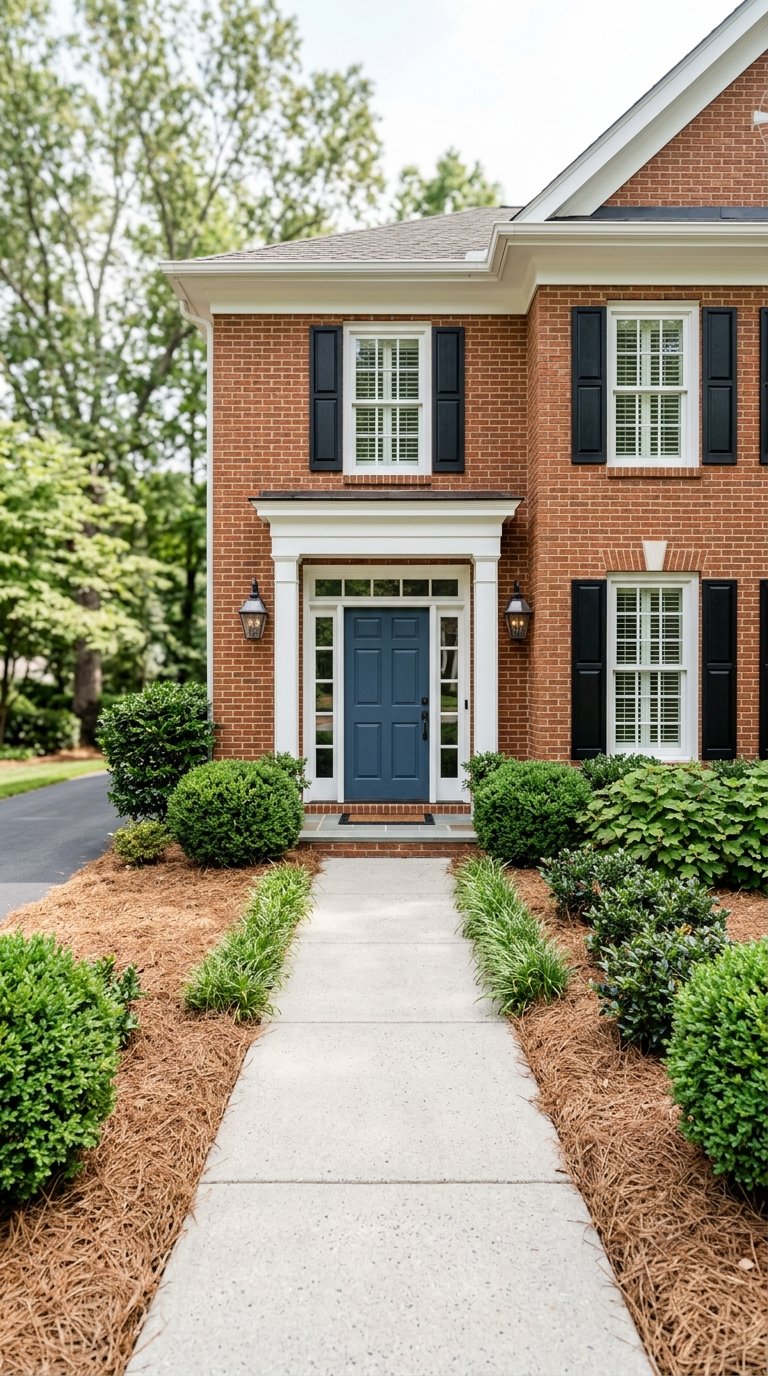
If you are drawn to bigger lots, mature landscaping, or neighborhoods with a more established feel, resale may be the better fit. In Fountain Inn, established resale areas often offer more land and more variation in home style, age, and layout than newer subdivisions.
Neighborhood examples support that pattern. Forest Creek is described as a no-HOA community with lots ranging from 0.20 to 0.50 acres and homes built primarily between 1994 and 2007. Country Chase is another established no-HOA area with an average lot size of 0.27 acres and homes built from 2004 through 2019.
At the larger end of the spectrum, Green Meadows is described as an estate-style neighborhood with 1- to 6-acre lots averaging 2.66 acres and no HOA. There are also individual in-town older homes with substantial lots, including examples over half an acre. If land, elbow room, or fewer neighborhood rules are high on your list, resale often opens more doors.
Resale often means more variation
The biggest advantage of resale is also one of its biggest challenges. You may find more character, bigger trees, and a lot that feels hard to duplicate in a brand-new neighborhood. But you also need to be comfortable with a wider range of home conditions.
In Fountain Inn resale homes, the maintenance story can vary a lot from one property to the next. Buyers should be prepared to look closely at roofing, HVAC, plumbing, crawlspace conditions, drainage, and any updates already completed. Two homes at similar price points can have very different long-term maintenance needs.
This is where careful evaluation matters. A home with an older roof and aging systems may still be the right choice if the lot, location, and price make sense to you. The key is understanding the full picture before you commit.
New versus resale in daily life
For most buyers, this decision comes down to lifestyle more than labels. New construction can offer newer systems, builder warranties, and a more polished, low-maintenance feel on day one. Resale can offer a more settled setting, more yard space, and the chance to move into a home with details that feel less cookie-cutter.
Fountain Inn is especially interesting because both categories can exist with or without an HOA. A newer neighborhood may have no HOA, and an older area may give you walkability or trail access that some suburban subdivisions do not. That is why it helps to compare specific homes and communities instead of assuming one category always wins.
The city’s own planning survey reflects this mix of preferences. About 49.40% of responses favored new and or rehabilitated housing in existing neighborhoods, while 19.39% favored master-planned neighborhoods with a mix of housing types. Survey comments also repeatedly mentioned larger yards, acreage, and less HOA involvement, which mirrors what many buyers are weighing today.
How to compare your options
If you are deciding between new construction and resale in Fountain Inn, focus on the tradeoffs that affect your everyday life the most. A clear side-by-side comparison can make the decision feel much easier.
| Factor | New Construction | Resale Home |
|---|---|---|
| Lot size | Often smaller, but varies by community | Often larger, especially in established areas |
| Condition | New systems and finishes | More variation in age and upkeep |
| HOA | May or may not apply | May or may not apply |
| Timeline | Move-in ready to months-long build | Often faster occupancy |
| Customization | Possible with buildable plans | Usually limited unless you renovate |
| Landscaping | Newer and less mature | More mature trees and established yards |
When you tour homes, try asking yourself a few practical questions:
- Do you want a home that feels turnkey from day one?
- Is a bigger yard or acreage more important than newer finishes?
- Would neighborhood amenities add value to your daily life?
- Are HOA fees or rules a concern for you?
- Do you need to move quickly, or can you wait for construction?
- Are you comfortable budgeting for future repairs and updates?
Protect yourself during the process
No matter which path you choose, details matter. For new construction, builder warranties commonly cover workmanship and materials for about one year, HVAC, plumbing, and electrical systems for about two years, and some structural defects for up to 10 years. Warranty terms can vary, and certain items like appliances or small cosmetic issues may be excluded, so review the actual warranty language carefully.
It also helps to understand your contract before you move forward with a builder. Features may vary by homesite or purchase agreement, and change-order rules and completion timing should be clear in writing. If you are putting down a builder deposit, ask under what conditions it is refundable.
For resale homes, independent inspections are a key part of due diligence. Scheduling the inspection as early as possible can help you understand the home’s condition and decide whether to negotiate repairs, renegotiate price, or walk away if major issues surface. In some cases, lenders may also require significant repairs before closing.
South Carolina buyers should also be ready for attorney involvement in the closing process. The South Carolina Bar’s ethics guidance states that real estate closings should be conducted under attorney supervision. That makes it wise to have a real estate attorney review the purchase contract, HOA documents, and closing paperwork early in the process.
The best choice depends on you
There is no universal winner between new construction and resale in Fountain Inn. The better option is the one that fits your budget, timeline, comfort level, and the way you want to live once the boxes are unpacked.
If you want newer systems, possible customization, and a neighborhood with planned amenities, new construction may be the right path. If you care more about lot size, mature surroundings, or a home with a more established feel, resale may give you more of what you want. In Fountain Inn, the smartest move is to compare the exact home, lot, community, and costs rather than relying on the label alone.
If you want help sorting through Fountain Inn neighborhoods, lot sizes, HOA differences, or the pros and cons of specific homes, Micha Kelley can help you compare your options with local insight and hands-on guidance.
FAQs
Should you buy new construction or resale in Fountain Inn?
- The best choice depends on your priorities. New construction may offer newer systems, warranties, and possible customization, while resale homes often offer larger lots, mature landscaping, and more established surroundings.
Do new construction homes in Fountain Inn always have an HOA?
- No. Some newer Fountain Inn communities are described as having no HOA, while others have mandatory HOA fees, so you should verify the exact community details before you buy.
Do resale homes in Fountain Inn usually have bigger lots?
- Often, yes. Established resale neighborhoods in Fountain Inn commonly show larger lots than some newer communities, with examples ranging from about 0.20 acres to several acres.
Can you move into a new construction home quickly in Fountain Inn?
- Sometimes. Fountain Inn new construction examples include move-in ready homes, homes under construction, and buildable plans, so your timeline depends on the specific property and stage of completion.
What should you inspect in a Fountain Inn resale home?
- Pay close attention to roofing, HVAC, plumbing, crawlspace conditions, drainage, and any past updates or deferred maintenance, since condition can vary widely from one resale home to another.
What should you review before buying a new construction home in South Carolina?
- Review the purchase agreement, feature sheet, warranty terms, change-order rules, deposit refund terms, HOA documents if applicable, and closing paperwork with attorney supervision early in the process.