Wondering whether Spartanburg gives you the best mix of price, space, and lifestyle in the Upstate? If you are comparing Greenville-area options with places a little farther east, Spartanburg deserves a closer look. From historic in-town homes to newer subdivisions and small-acreage opportunities, this guide will help you understand what kinds of housing you are most likely to find and how to match them to your budget, commute, and priorities. Let’s dive in.
Spartanburg housing at a glance
Spartanburg offers a broader range of housing options than many buyers expect. While detached single-family homes still dominate the local housing stock, the area also includes historic neighborhoods, townhomes, duplexes, apartments, and lower-density properties on the edges of the county.
According to Spartanburg County’s 2023 Housing Needs Assessment, 72.6% of all housing units in the county were one-unit detached homes by 2021. Another 12.7% were mobile homes, while 9.5% fell into the “missing middle” category, including 2- to 19-unit housing types such as duplexes and small multifamily properties.
That big-picture mix matters if you are moving from another part of the Upstate. In simple terms, Spartanburg tends to offer more detached housing and a lower price point than many nearby Greenville-area markets.
Why Spartanburg stands out
If your home search has felt tight in other Upstate markets, Spartanburg may offer more breathing room. Recent market data from May 2026 showed a median sale price of $230K in Spartanburg city and $288K in Spartanburg County, compared with $490K in Greenville city and $368K in Greenville County.
Census QuickFacts supports that same long-term pattern. The median value of owner-occupied homes was $203,700 in Spartanburg city and $233,300 in Spartanburg County, compared with $487,500 in Greenville city and $299,000 in Greenville County.
For many buyers, that means Spartanburg can be a smart place to look if you want to stretch your budget, buy more space, or explore home styles that may be harder to reach elsewhere in the Upstate.
In-town historic homes
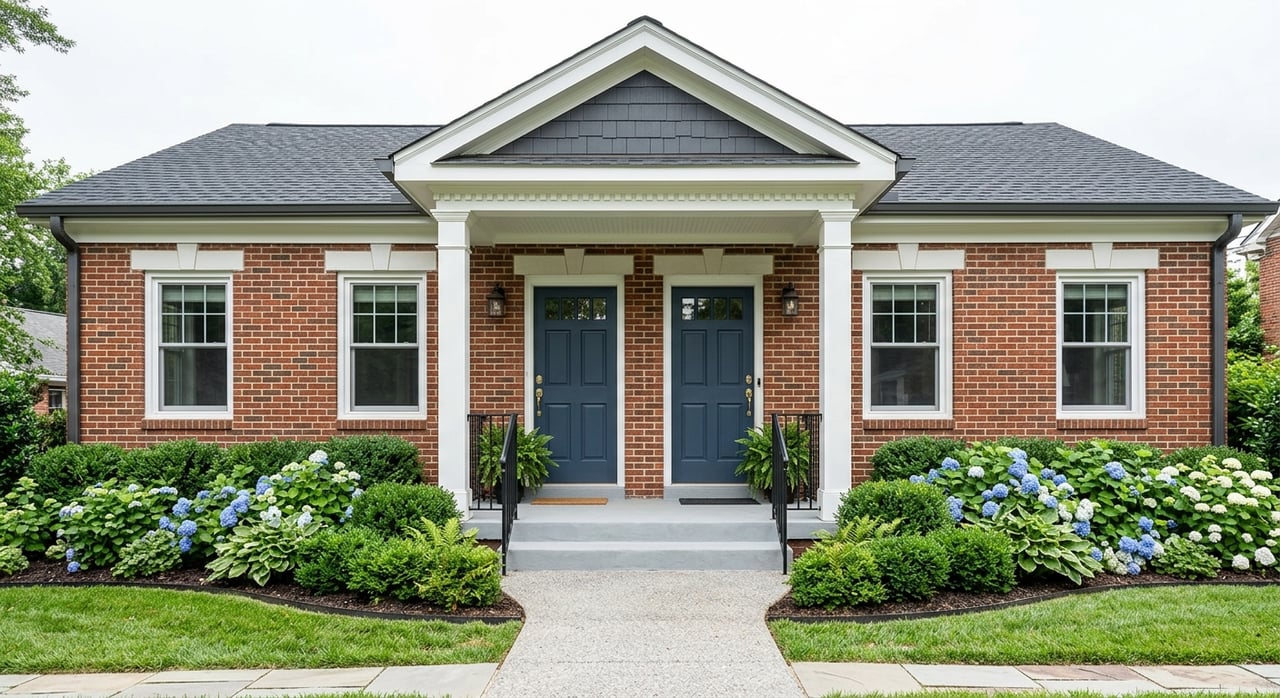
If you love charm, older architecture, and a closer-in location, Spartanburg’s historic neighborhoods are an important part of the local market. The City of Spartanburg identifies Hampton Heights and Beaumont Mills as locally designated historic districts.
Hampton Heights is especially notable because the city describes it as a 375-home district developed from 1890 to 1930. Home styles there include Queen Anne, Bungalow, Craftsman, Four-Square, and Neo-Classical architecture.
These homes can be a strong fit if you want character that newer construction often cannot replicate. You may also like the appeal of established streets and a more in-town setting with shorter drives to daily destinations.
What to know about historic districts
Historic homes come with extra considerations. The City of Spartanburg says Hampton Heights and Beaumont Mills are subject to oversight by the Historic Architecture and Review Board for exterior changes and new construction.
That does not mean these homes are off-limits. It simply means you should go in with a clear understanding of what ownership may involve if you plan to make exterior updates later.
Tradeoffs with older homes
Older homes can offer style and value, but they may also need more attention over time. Spartanburg County’s housing assessment notes that older homes are often more affordable, yet they can come with higher maintenance needs tied to older plumbing, electrical, and HVAC systems.
The same report also notes that older homes may be less energy-efficient than newer ones. If you are drawn to charm and location, it helps to balance that excitement with realistic planning around upkeep and improvements.
Townhomes and attached options
If you want lower-maintenance living or a more flexible price point, townhomes and duplex-style homes are worth considering. Spartanburg County’s assessment describes these “missing middle” housing types as a way to support walkability, local retail, and a wider affordability spectrum.
This segment is still smaller than detached housing, but it is active. The county reported that 18.5% of recently permitted units were townhomes or duplexes.
For buyers, that means attached housing is not just a niche option. It is becoming part of the broader local supply, especially in and around areas where growth is creating demand for more housing choices.
Where attached housing is growing
The City of Spartanburg was reported to have 11 projects under construction or in planning with a combined mix of 979 apartments, homes, and townhomes. The county’s March 2023 planning list also showed a mix that included 46.0% patio homes, 45.0% single-family, and 8.9% townhomes, plus a small share of duplexes.
That pipeline suggests buyers may continue to see more options beyond the traditional detached home. If you want something between an apartment and a large suburban house, this is one segment to watch closely.
Suburban single-family homes
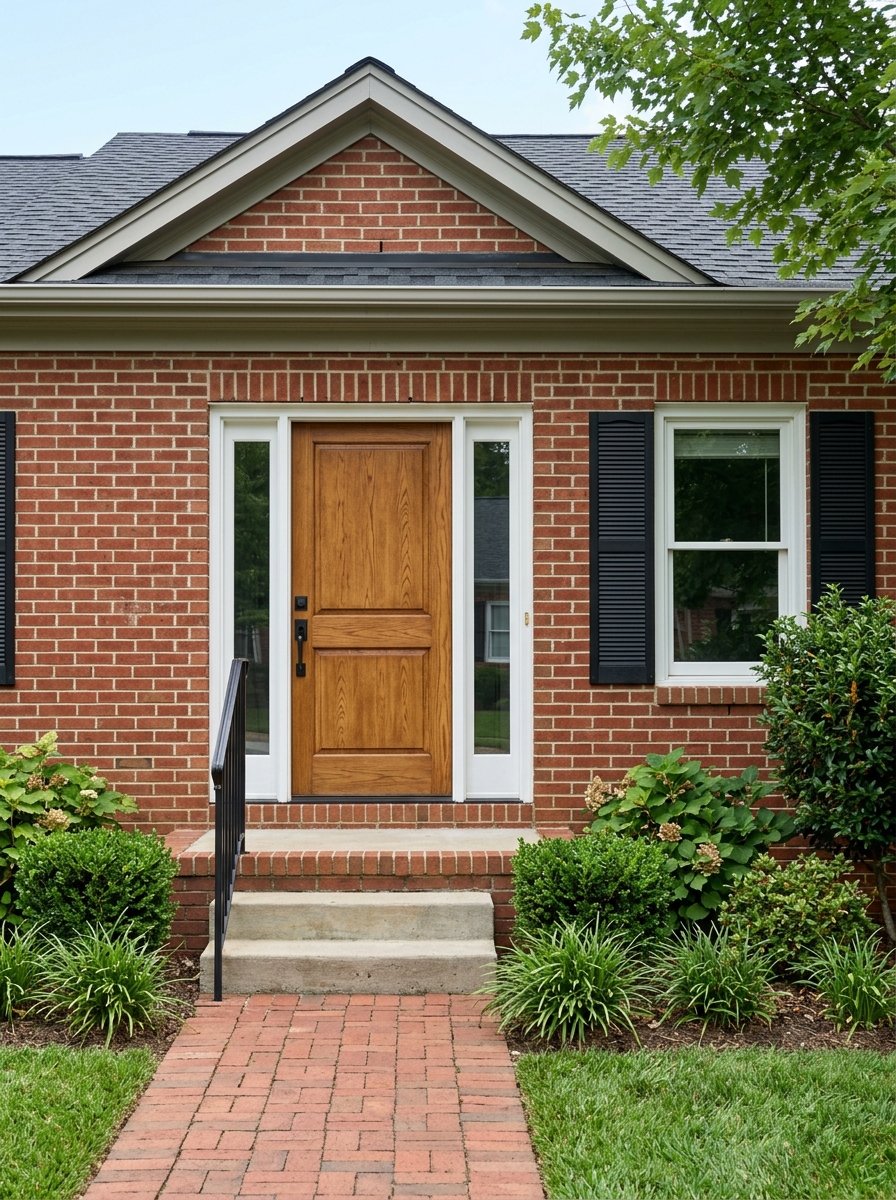
For many Upstate buyers, the most familiar choice will still be a detached home in a subdivision or lower-density residential area. This remains the backbone of the Spartanburg market.
Spartanburg County’s housing assessment says 62.7% of recently permitted units were single-family homes, and detached homes made up 72.6% of the total housing stock. The report also notes a shift toward larger units with three or more bedrooms.
If your priority is yard space, extra bedrooms, or a more traditional ownership setup without shared walls, this category will likely give you the most options. It is also the clearest fit for buyers who want a straightforward move-in experience in a more modern layout.
Small-acreage and rural properties
If land is on your wish list, Spartanburg County may offer opportunities that are harder to find closer to urban centers. The county’s assessment explains that areas around the City of Spartanburg are denser, while rural parts of the county are far less dense.
The same report notes that areas closer to city centers tend to face higher land costs and stronger demand for non-detached options. In practical terms, that means small-acreage properties are more likely to show up on the lower-density edges of the county rather than in the urban core.
For buyers relocating within the Upstate, this can be a useful distinction. If you want extra room for outbuildings, privacy, or future plans, your search may naturally push outward from the city.
Budget and commute tradeoffs
Every housing type comes with tradeoffs, and Spartanburg is no different. One of the biggest advantages here is price, but your location within the city or county can affect your drive time and day-to-day convenience.
Census QuickFacts reports a mean travel time to work of 20.2 minutes in Spartanburg city and 25.2 minutes in Spartanburg County. That pattern reflects a common buyer decision: closer-in homes may cut commute time, while outer-county homes may offer more space or land.
This is why your home search should start with priorities, not just price. A lower purchase price can be appealing, but it works best when it also fits the way you want to live.
A simple way to weigh your options
As you compare Spartanburg housing choices, ask yourself:
- Do you want character or low maintenance?
- Is your top goal more house for the money?
- Would you prefer in-town convenience or more land?
- How important is a shorter commute?
- Are you comfortable with the upkeep that can come with an older home?
Clear answers to these questions can narrow your search fast and help you avoid looking at homes that do not really fit your lifestyle.
Comparing Spartanburg with Greenville-area options
If you are deciding between Spartanburg and Greenville-area markets, the differences are meaningful. Based on the research, Spartanburg generally offers lower purchase prices, a larger share of detached housing, and more clearly defined historic in-town neighborhoods.
Greenville and some nearby Greenville County markets tend to be more expensive, denser, and more mixed in housing type. For example, May 2026 median sale prices were listed at $317K in Greer and $327K in Simpsonville, both above Spartanburg city levels.
That does not make one market better than the other. It simply means the right choice depends on whether you value lower cost, more space, and classic detached housing, or you prefer a denser mix with a different growth pattern.
How to shop smarter in Spartanburg
A smart Spartanburg search usually starts by matching home style to your real-life needs. If you are open to more than one housing type, you may uncover better value and more flexibility.
Here is a practical framework:
- Look at historic in-town homes if character and location matter most.
- Explore townhomes or patio-home style options if you want lower maintenance.
- Focus on suburban detached homes if bedrooms, yard space, and layout top your list.
- Search the outer county areas if land or small acreage is a priority.
Working through those categories first can make your home search feel more focused and less overwhelming.
If you are weighing Spartanburg against other Upstate areas, having a local guide can make the process much easier. Micha Kelley can help you compare Spartanburg housing options, sort through tradeoffs, and find the right fit for your goals.
FAQs
What types of homes are most common in Spartanburg County?
- Detached single-family homes are the most common, making up 72.6% of the county’s housing stock, according to Spartanburg County’s housing assessment.
What should buyers know about historic homes in Spartanburg?
- Historic homes, especially in districts like Hampton Heights and Beaumont Mills, can offer strong character and in-town location benefits, but exterior changes may be subject to Historic Architecture and Review Board oversight.
Are townhomes available in Spartanburg for buyers who want lower maintenance?
- Yes. Townhomes and duplexes are part of Spartanburg’s housing mix, and 18.5% of recently permitted units were townhomes or duplexes.
How do Spartanburg home prices compare with Greenville?
- Recent data showed Spartanburg city at a $230K median sale price and Spartanburg County at $288K, both below Greenville city and Greenville County.
Where should buyers look for small-acreage property near Spartanburg?
- Buyers looking for land will usually find better opportunities on the lower-density edges of Spartanburg County rather than near the city core.
Does living farther out in Spartanburg County affect commute time?
- Yes. Census QuickFacts reports a 20.2-minute mean commute in Spartanburg city and 25.2 minutes in Spartanburg County, so outer areas often come with more drive time.