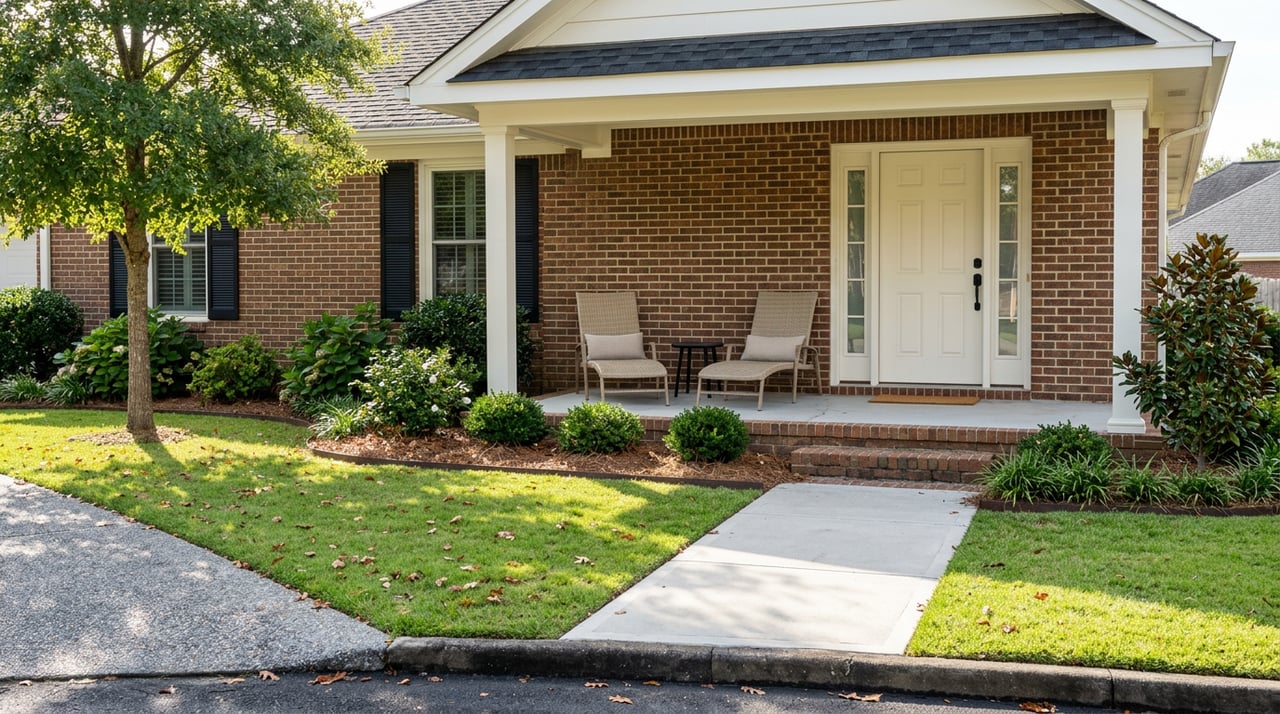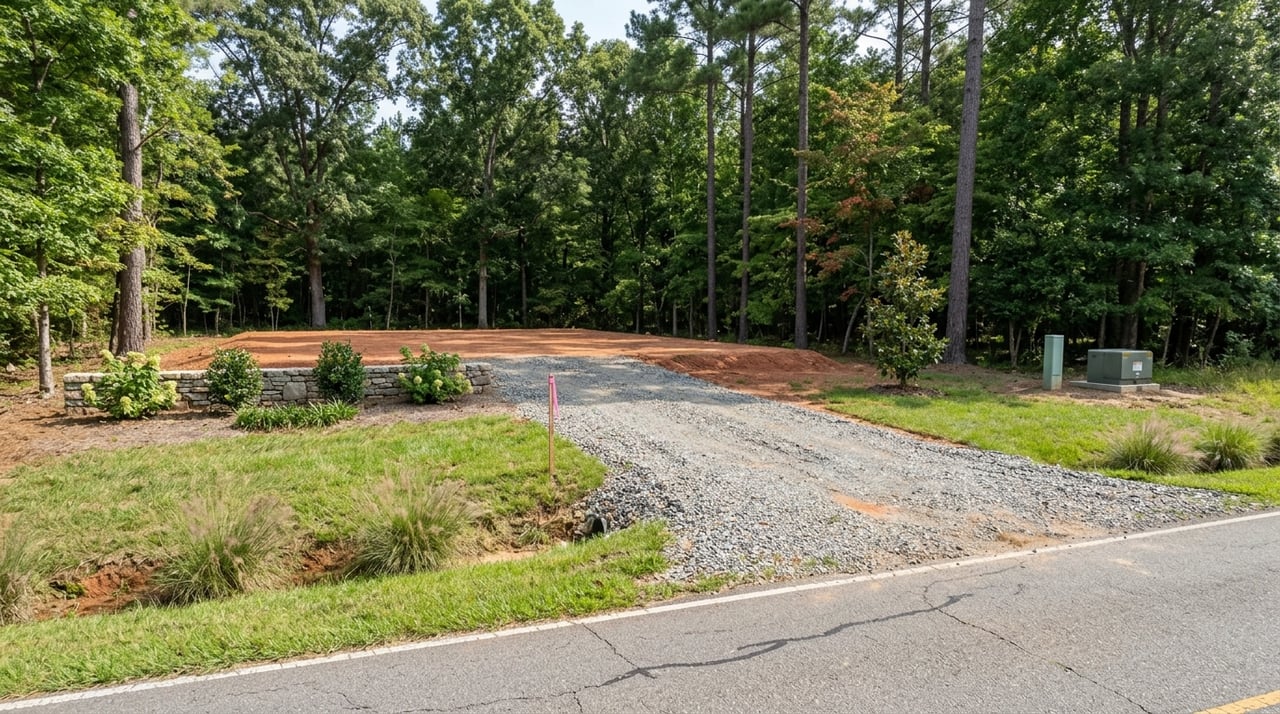
Buying land near Woodruff can feel exciting right up until the questions start piling up. Can you build what you want? Is water available? Will you need septic, a well, or both? If you want fewer surprises and a smoother closing, it helps to verify the right details early. This step-by-step guide walks you through what to check before you buy land or acreage near Woodruff so you can move forward with more confidence. Let’s dive in.
Start With Jurisdiction
The first step is finding out which local government has authority over the parcel. That matters because rules, permits, and review processes can change depending on whether the property is inside the City of Woodruff or in unincorporated Spartanburg County.
If the parcel is inside city limits, the City of Woodruff Planning and Zoning Department handles development review, and the city building department handles permits. The city also notes that contractors working inside city limits need a business license, while owner-builders must submit a notarized residential disclosure form.
If the parcel is outside city limits, Spartanburg County zoning and development standards apply instead. The county explains that it uses the Performance Zoning Ordinance or the Unified Land Management Ordinance, depending on the planning area, so buyers should focus on development standards, setbacks, and road classification rather than traditional parcel-by-parcel zoning labels.
Confirm What the Land Can Support
Once you know the jurisdiction, the next step is confirming what the parcel can legally and practically support. A property may look buildable at first glance, but setbacks, frontage, access, or utility limitations can change the picture.
Spartanburg County states that building setbacks can depend on road classification and whether the parcel falls under ULMO or PZO. That means even a larger tract can still be difficult to use if access or frontage is limited. If the intended use is unclear, the county offers zoning verification letters as a screening tool, though it also makes clear that these letters do not approve a new use or replace permitting.
Ask Early Questions
Before you get too far into negotiations, ask questions like:
- Is the parcel inside Woodruff city limits or in unincorporated Spartanburg County?
- What development standards apply to this specific property?
- Are there setback, frontage, or access issues?
- Is the current use or your intended use clearly allowed?
- Will a future permit or approval still be required?
Check Water and Sewer Availability
Utility access is one of the biggest factors in land buying costs and timelines. You should never assume water or sewer service is available just because a parcel has a Woodruff address.
The Woodruff-Roebuck Water District provides water and sewer service for much of southern Spartanburg County and offers a water-availability request process, with typical responses within 5 business days. Its website also outlines new service information and shows that fees like customer service charges, tap fees, and system-development fees are separate project costs.
At the same time, the City of Woodruff new sewer service page shows that utility responsibility can vary by parcel. In other words, you need parcel-specific confirmation before you budget or make plans.
Budget Beyond the Purchase Price
Land buyers often focus on acreage price first, but utility hookups can materially affect your total cost. According to the WRWD new service information, connection-related costs are separate from the land sale itself.
That is why it helps to build your budget around:
- Purchase price
- Water connection fees
- Sewer connection fees
- Tap or system-development fees
- Permit fees
- Survey and legal costs
Verify Septic if Public Sewer Is Not Available
If public sewer is not available, septic becomes one of your most important due diligence items. In many cases, this should be checked before you feel fully comfortable moving toward closing.
The South Carolina Department of Environmental Services says that if a home or manufactured home will not be served by a public or community sewer system, the buyer must first obtain a septic permit. DES also states that without that permit, the county cannot issue a building permit.
Septic suitability depends on more than soil alone. According to DES site inspection guidance, factors can include slope, bedroom count, nearby wells, property lines, drainage features, surface waters, buildings, and your planned house footprint, driveway, and outbuildings.
Why Septic Affects Your Layout
A parcel may have enough acreage on paper but still have a smaller practical build area than you expect. Septic placement can affect where you put:
- The house
- A porch or patio
- A detached shop or garage
- The driveway
- Future outbuildings
That is why septic review is not just a permit issue. It is also a design and usability issue.
Understand Well Requirements
If the property will not connect to a public water system, you may need a private well. That adds another layer of planning before construction begins.
DES says a Notice of Intent for a private drinking water well is required before construction, and wells must be drilled by a South Carolina-certified well driller. If you are considering a rural parcel, this is worth discussing early so your timeline and costs are realistic.
Review Road Access and Driveway Needs
Access matters more than many buyers realize. Even if a parcel looks straightforward from the road, you still need to confirm whether the access point works for your intended use.
The South Carolina Department of Transportation says residential owners on a state-maintained road may request a driveway apron through the local SCDOT office. SCDOT also provides a Street Finder tool to help confirm whether a road is state maintained, which can be useful when you are evaluating frontage and driveway access.
If access is limited, oddly shaped, or tied to frontage requirements, that issue can affect build plans and even whether the parcel works for you at all. This is especially important when buying larger tracts that may look flexible but still face practical limitations at the road.
Check Flood Risk Separately
Flood risk should always be reviewed as its own step. It is not something to guess based on appearance alone.
FEMA identifies the Flood Map Service Center as the official public source for flood hazard maps, and it notes that flood maps can change over time. If part of the parcel falls within a flood hazard area, that can affect where you build, how you design the site, and what future costs may look like.
Research Title, Deeds, and Restrictions
Before closing, make sure you understand the recorded history tied to the property. That includes deeds, liens, plats, and any restrictive covenants or deed restrictions that could affect use.
Spartanburg County’s Register of Deeds records deeds, liens, mortgages, and plats, but the office does not perform title searches. The county recommends working with an attorney or certified title searcher for that deeper review.
The county also says in its FAQ page that buyers should consult a real estate attorney or title abstractor to check restrictive covenants or deed restrictions, because the county will not interpret those documents for you. This step matters if you are planning a custom build, a manufactured home, multiple structures, or a future resale strategy.
Verify Surveys and Parcel Splits
If you are buying a newly created parcel or considering splitting acreage later, survey and subdivision review become critical. These details can affect whether the lot can even be legally recorded and built on.
Spartanburg County states that for lot splits or new acreage parcels, a South Carolina licensed surveyor is required, plats must be approved before recordation, and property inside municipal limits must first be approved by the municipality. The county’s subdivision of property process also explains that final plats release lots for building permits and certificates of occupancy.
The county notes that some 5-plus acre lots may qualify for an exemption if no new public infrastructure is involved and frontage requirements are met. Even so, it is smart to verify whether an exemption applies to your exact parcel rather than assuming it does.
For boundary and acreage questions, Spartanburg County’s mapping department tracks parcel dimensions, boundary changes, and survey subdivisions. That can be helpful when you are comparing listing information to county records.
Think About Future Flexibility
If you are buying acreage, it helps to think beyond your immediate plans. Today’s purchase may later become a custom home site, a long-term hold, or part of a family property strategy.
Spartanburg County notes that in some situations, two single-family detached dwellings, including manufactured homes, may be allowed on one lot if dimensional requirements are met and public street access is preserved. The county also states that second residential structures require prior approval before addresses are assigned or building permits are issued. For buyers with multi-use or long-range plans, that is an important detail to verify early through the county’s frequently asked questions.
You should also keep holding costs in mind. Spartanburg County says its last reappraisal was in 2023 and the next legally mandated reappraisal year will be implemented in 2028, so property taxes and carrying costs can change over time through ownership.
Why Woodruff Draws Attention
For many buyers, the Woodruff area stands out because it offers access to a growing part of the Upstate while still providing opportunities for land and acreage purchases. The City of Woodruff highlights the area’s proximity to I-26, I-85, BMW, the Tyger River Industrial Complex, and Greenville-Spartanburg Airport.
That does not guarantee value or future performance for any specific parcel. Still, clean access, verified utilities, and a clear build path can make a property more practical to use and easier to evaluate over time.
A Simple Due Diligence Checklist
Before you buy land or acreage near Woodruff, try to verify these items in order:
- Confirm whether the parcel is inside the City of Woodruff or in unincorporated Spartanburg County.
- Check the applicable development standards, setbacks, frontage, and access rules.
- Verify public water and sewer availability for the exact parcel.
- If sewer is unavailable, investigate septic requirements and site suitability.
- If public water is unavailable, review private well requirements.
- Confirm road maintenance status and driveway access needs.
- Check flood maps through FEMA.
- Review deeds, plats, liens, and recorded restrictions.
- Confirm whether a survey, lot split approval, or plat approval is needed.
- Build a budget that includes hookup fees, permit costs, survey work, and legal review.
Buying land is rarely just about acreage. It is about what the parcel can support, what it will cost to improve, and how clearly you can verify those answers before closing.
If you are considering land or acreage near Woodruff, working with a local guide can help you ask better questions sooner and avoid costly surprises later. When you are ready to talk through your goals, connect with Micha Kelley for practical, hands-on guidance tailored to your next move.
FAQs
What should you verify before buying land near Woodruff, SC?
- You should verify jurisdiction, development standards, water and sewer availability, septic or well needs, road access, flood risk, survey details, and recorded restrictions before closing.
How do you know if land is inside Woodruff city limits?
- You can start by checking with the City of Woodruff Planning and Zoning Department to confirm whether the parcel falls inside city limits and which local rules apply.
Does Spartanburg County use traditional zoning for land near Woodruff?
- Spartanburg County says it does not assign parcel-level zoning in the traditional municipal sense in the same way many cities do, so buyers should focus on development standards, setbacks, and road classification.
Do you need a septic permit before building on land in Spartanburg County?
- Yes, if the home will not be served by a public or community sewer system, DES says a septic permit is required before the county can issue a building permit.
How can you check water and sewer service for a Woodruff-area parcel?
- You can verify service availability directly with the Woodruff-Roebuck Water District or the City of Woodruff, because utility responsibility can be parcel-specific.
Why does a survey matter when buying acreage near Woodruff?
- A survey matters because lot splits, new parcels, boundary questions, and plat approval issues can affect whether property can be recorded, financed, improved, or built on as planned.