Wondering if you need to renovate your whole house before you sell in Simpsonville? You probably do not. In this market, buyers are still active, but they are paying close attention to condition, pricing, and presentation, which means a clean, well-prepared home can stand out without a full overhaul. If you want to sell with less stress and make a stronger first impression, this guide will walk you through the steps that matter most. Let’s dive in.
Why prep matters in Simpsonville
Simpsonville remains an active market, but it is not a market where you can ignore the details. Recent local data shows differences in median price and timing depending on the source, but the overall pattern is consistent: buyers are moving, and homes that show well are better positioned to compete.
That is especially important for the lived-in suburban homes common across Simpsonville and greater Greenville County. You do not need to turn your house into something unrecognizable, but you do want it to feel clean, current, and easy for buyers to picture as move-in ready.
Start with a seller mindset
Before you paint a wall or book a cleaner, shift your thinking from living in the home to marketing the home. Buyers are not just looking at square footage and features. They are also reacting to how the home feels the moment they walk in or see the photos online.
National staging research supports that approach. In NAR’s 2025 Profile of Home Staging, 83% of buyers’ agents said staging made it easier for buyers to visualize a property as their future home, and 49% of sellers’ agents said staging reduced time on market.
Declutter first, not last
If you only do one thing before listing, start here. Decluttering makes rooms feel larger, brighter, and more functional, and it helps buyers focus on the home itself instead of your belongings.
Walk through each room and remove anything that adds visual noise. That usually includes extra furniture, overflowing shelves, countertop appliances, personal collections, piles of papers, and off-season items. In closets, leave enough open space so storage feels generous instead of cramped.
What to remove before photos and showings
- Family photos and highly personal decor
- Extra chairs, side tables, and bulky furniture
- Refrigerator magnets, notes, and calendars
- Bathroom products left on counters
- Toys, pet beds, and visible pet supplies
- Shoes, coats, and everyday entry clutter
This step can feel tedious, but it pays off. NAR’s staging guidance specifically highlights cleaning, decluttering, repairing, depersonalizing, and updating as the core of preparing a home for market.
Deep clean every surface
Once the clutter is out, cleaning becomes much easier and much more effective. A home does not have to be brand new, but it should feel well cared for.
Pay special attention to kitchens, bathrooms, floors, baseboards, windows, and light fixtures. If you have carpets, pet areas, or any spots where odors may linger, deal with those early. Buyers often read lingering smells as a sign of poor maintenance, even when the issue is minor.
Focus on odor control
Odors can hurt a first impression fast. Smoke, pet smells, mustiness, and strong cooking odors are common issues that sellers get used to over time.
Try to neutralize the source instead of covering it up. Clean soft surfaces, wash curtains and bedding, replace HVAC filters if needed, and make sure the home smells fresh but not perfumed. The goal is simple: clean air, not artificial fragrance.
Fix the visible issues buyers notice
You do not need to take on every possible project before you sell. In many cases, the highest return comes from handling the small issues buyers see right away.
Think of the items that quietly suggest deferred maintenance. Chipped paint, loose cabinet hardware, damaged caulk, burned-out light bulbs, sticky doors, and dripping faucets may seem minor, but together they can make a home feel less cared for.
Prioritize high-impact repairs
Start with repairs that improve everyday function and visual condition:
- Patch nail holes and touch up paint
- Replace burned-out bulbs
- Tighten loose handles and knobs
- Re-caulk tubs, showers, and sinks where needed
- Fix doors that stick or do not latch smoothly
- Address obvious scuffs, cracks, or worn trim
According to NAR’s 2025 staging findings, many sellers’ agents do not stage every home fully and instead recommend decluttering and correcting property faults before listing. That is a practical strategy for many Simpsonville sellers.
Keep colors simple and neutral
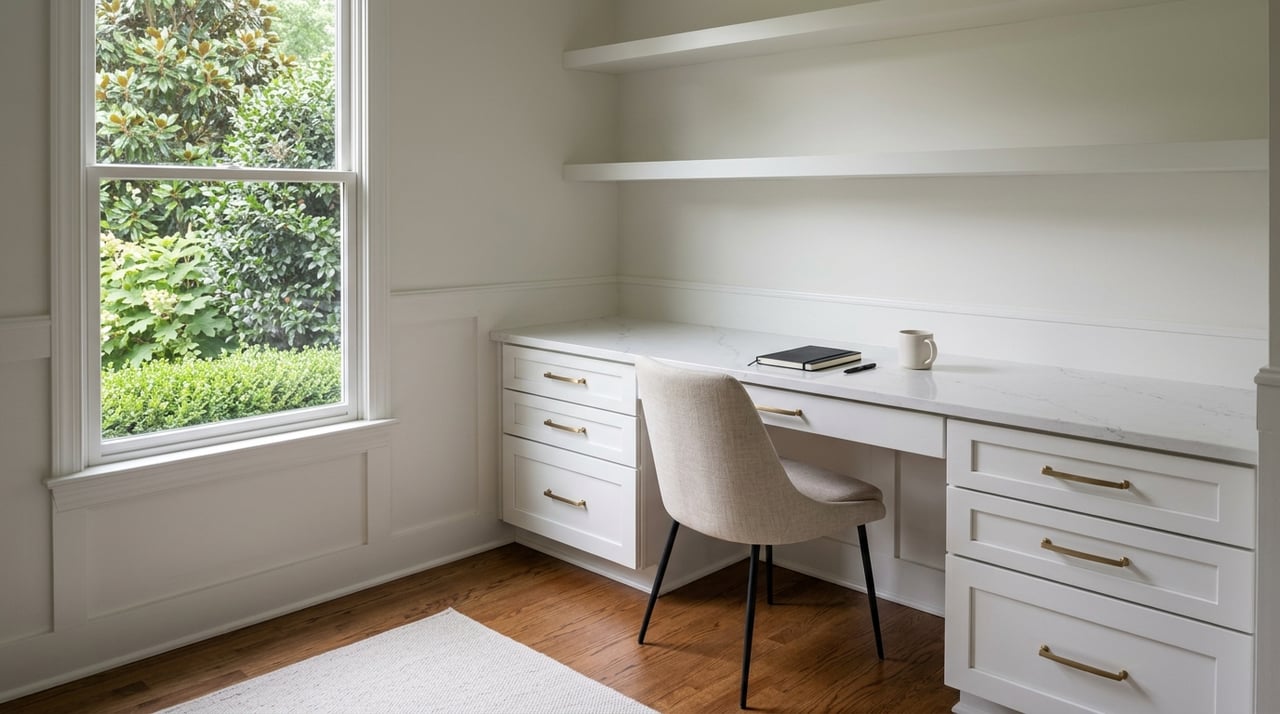
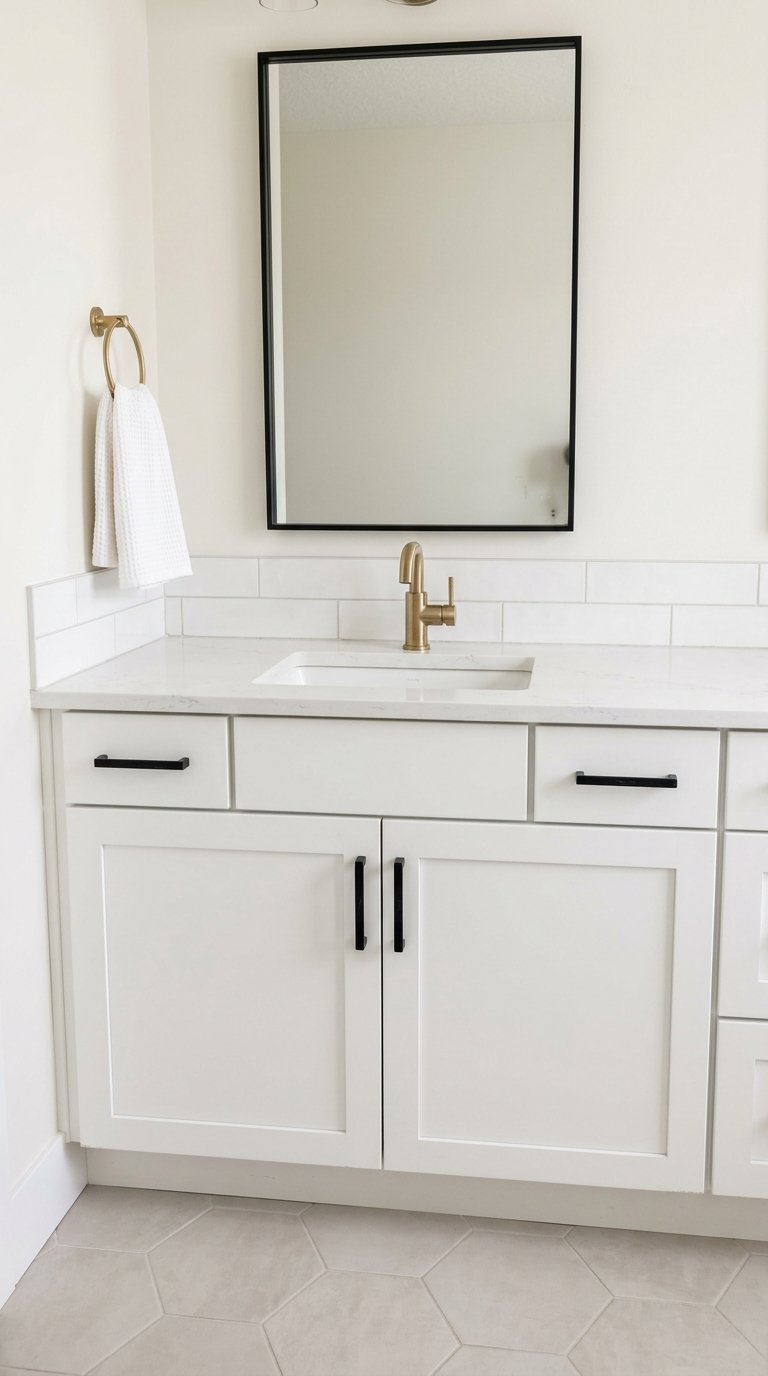
If your walls are bright, dark, or highly specific to your personal taste, repainting can be worth it. Neutral tones tend to photograph better and help buyers focus on the space rather than the color choice.
You do not need to make your home feel cold or bland. Soft, light neutrals can still feel warm and inviting, especially when paired with clean trim, good lighting, and a few simple accents. Strong color is better saved for small decor items than for large walls.
Stage the rooms that matter most
If you are living in the home while selling, you may not stage every room. That is okay. The smartest approach is to prioritize the spaces buyers care about most.
NAR’s 2025 survey found that the living room, primary bedroom, dining room, and kitchen were the rooms most often prioritized. For many occupied homes, the living room, primary bedroom, and kitchen give you the best return on effort.
Best rooms to prioritize
Living room
Make the layout easy to understand and keep traffic flow open. Remove extra seating if the room feels tight, and keep surfaces simple so the room feels calm and usable.
Kitchen
Clear countertops as much as possible and store small appliances you do not use daily. Buyers respond well to kitchens that feel clean, bright, and easy to maintain.
Primary bedroom
Keep bedding simple, nightstands neat, and decor minimal. A restful, uncluttered bedroom helps buyers connect emotionally with the home.
Do not overlook curb appeal
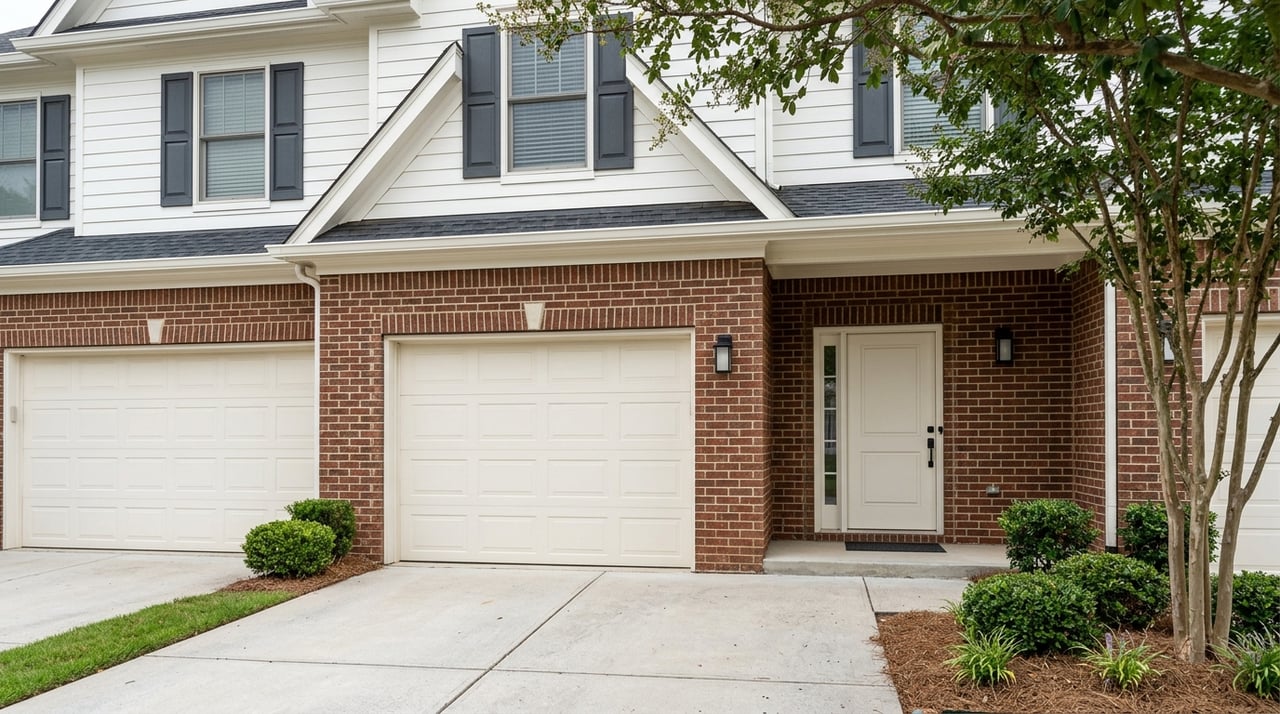
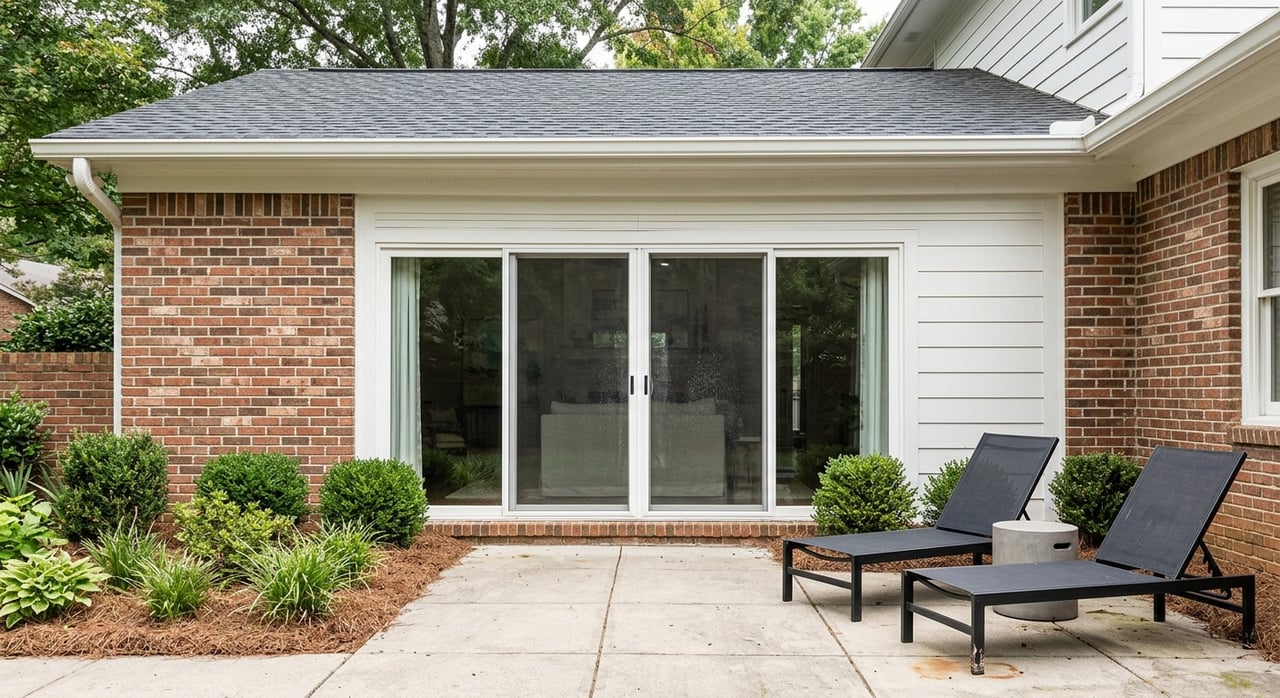
Your exterior sets the tone before buyers ever step inside. It also plays a major role in listing photos, which are a critical part of your launch.
NAR’s 2025 outdoor-features research found that 92% of REALTORS recommended improving curb appeal before listing, and 97% to 98% said curb appeal matters to buyers and to attracting a buyer. In other words, exterior prep is not optional if you want to make a strong first impression.
Easy exterior improvements
- Mow and edge the lawn
- Trim shrubs and low branches
- Refresh mulch in planting beds
- Sweep the front porch and walkway
- Clean the front door and entry area
- Replace worn doormats or faded porch decor
- Make sure the front of the home is photo-ready
In the Upstate, late spring and early fall are often practical times for outdoor touch-ups and yard refreshes because the weather is usually workable for exterior prep.
Time your projects the smart way
The order of your prep matters. One of the biggest mistakes sellers make is scheduling photos before the home is truly ready.
A better sequence is simple: clean first, repair second, stage third, photograph last, then list. That approach lines up with what buyers respond to most and helps your marketing match the in-person experience.
A simple pre-listing timeline
| Step | Goal |
|---|---|
| Declutter and depersonalize | Make rooms feel spacious and neutral |
| Deep clean | Show care and reduce distractions |
| Handle visible repairs | Remove signs of wear |
| Stage key rooms | Help buyers picture daily life in the home |
| Finish curb appeal | Strengthen first impressions and photos |
| Schedule photos | Capture the home at its best |
This kind of sequencing is especially helpful if you are balancing work, family schedules, or a move happening at the same time.
Check permits before bigger work
If you are thinking about more than cosmetic updates, check permit requirements early. Greenville County requires permits for certain types of work, including new buildings, structural changes, additions, electrical upgrades, plumbing relocations, and many mechanical changes. Simpsonville also has a city forms-and-permits hub.
That matters because last-minute permit questions can delay your timeline. If the project goes beyond paint, cleaning, flooring touch-ups, or other cosmetic work, it is smart to verify requirements before you begin.
Get your paperwork ready too
Preparing your home is not just about appearance. It is also about being ready to answer buyer questions clearly and confidently.
South Carolina’s Residential Property Condition Disclosure Act requires the owner to furnish a written disclosure statement in qualifying residential sales, subject to statutory exemptions. That makes it wise to identify known issues, gather repair records, and organize any useful documentation before your home hits the market.
Think beyond the house itself
Timing can shape your selling strategy too. For some households, the calendar matters almost as much as the home prep.
Greenville County Schools’ 2026-27 calendar starts on August 11, 2026. While every move is different, some buyers prefer to be settled before late summer, which can make earlier preparation helpful if your likely buyer pool is trying to coordinate around the school year.
The goal is a smooth, confident launch
The best-prepared homes do not always spend the most money before listing. They simply remove distractions, show care, and make it easy for buyers to imagine moving in.
That is where local guidance can make a real difference. When you know which repairs to make, which rooms to focus on, and when to stop, you can protect your time, your budget, and your momentum.
If you are getting ready to sell in Simpsonville, Micha Kelley can help you build a practical prep plan, coordinate the right next steps, and launch your home with confidence.
FAQs
What should I do first to prepare my Simpsonville home for sale?
- Start by decluttering and depersonalizing your home so rooms feel more spacious, neutral, and photo-ready.
Which rooms matter most when staging a Simpsonville home?
- Focus first on the living room, kitchen, and primary bedroom, since these are the spaces buyers often care about most.
Do I need to renovate my Simpsonville home before listing it?
- Not usually. Many sellers benefit more from cleaning, visible repairs, neutral paint, and strong presentation than from a full renovation.
Should I make repairs before selling a home in Greenville County?
- Yes, especially visible maintenance items like chipped paint, loose hardware, damaged caulk, sticky doors, or burned-out bulbs.
Do I need a permit for pre-listing work in Simpsonville or Greenville County?
- You may, depending on the project. Cosmetic work is different from structural, electrical, plumbing, or mechanical changes, so check local permit requirements early.
Why does curb appeal matter when selling a Simpsonville home?
- Curb appeal shapes the first impression for both in-person showings and online photos, which can affect buyer interest from the start.