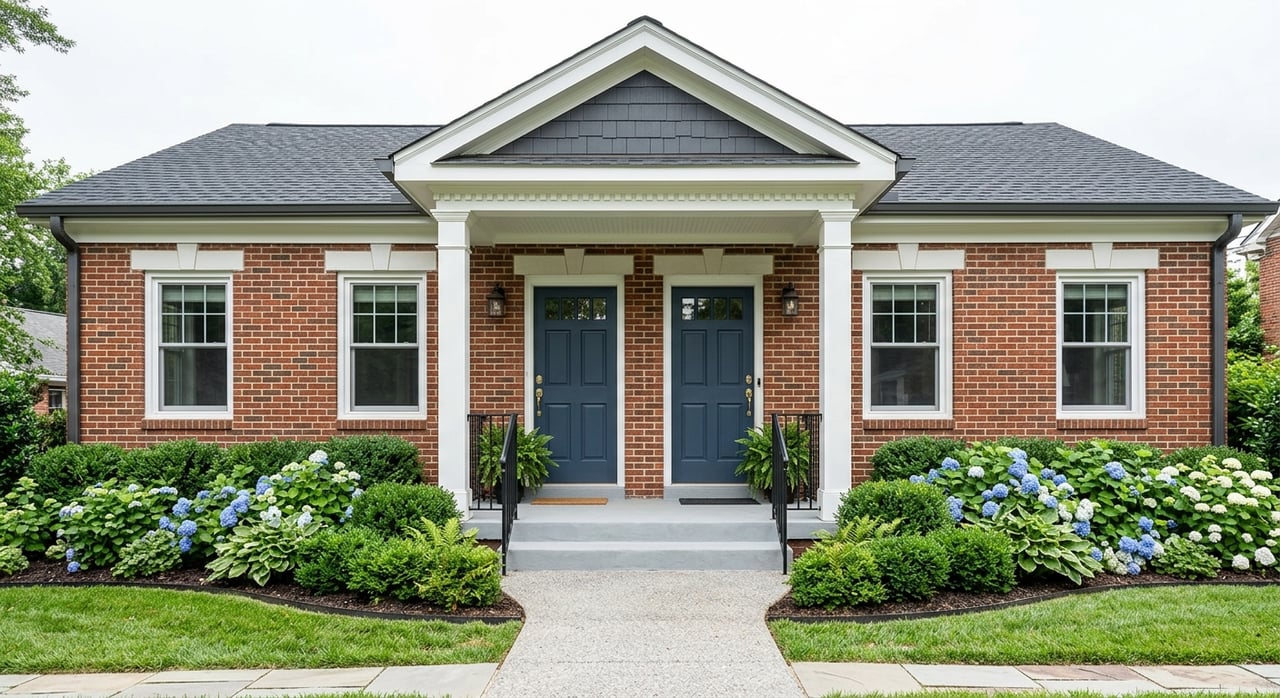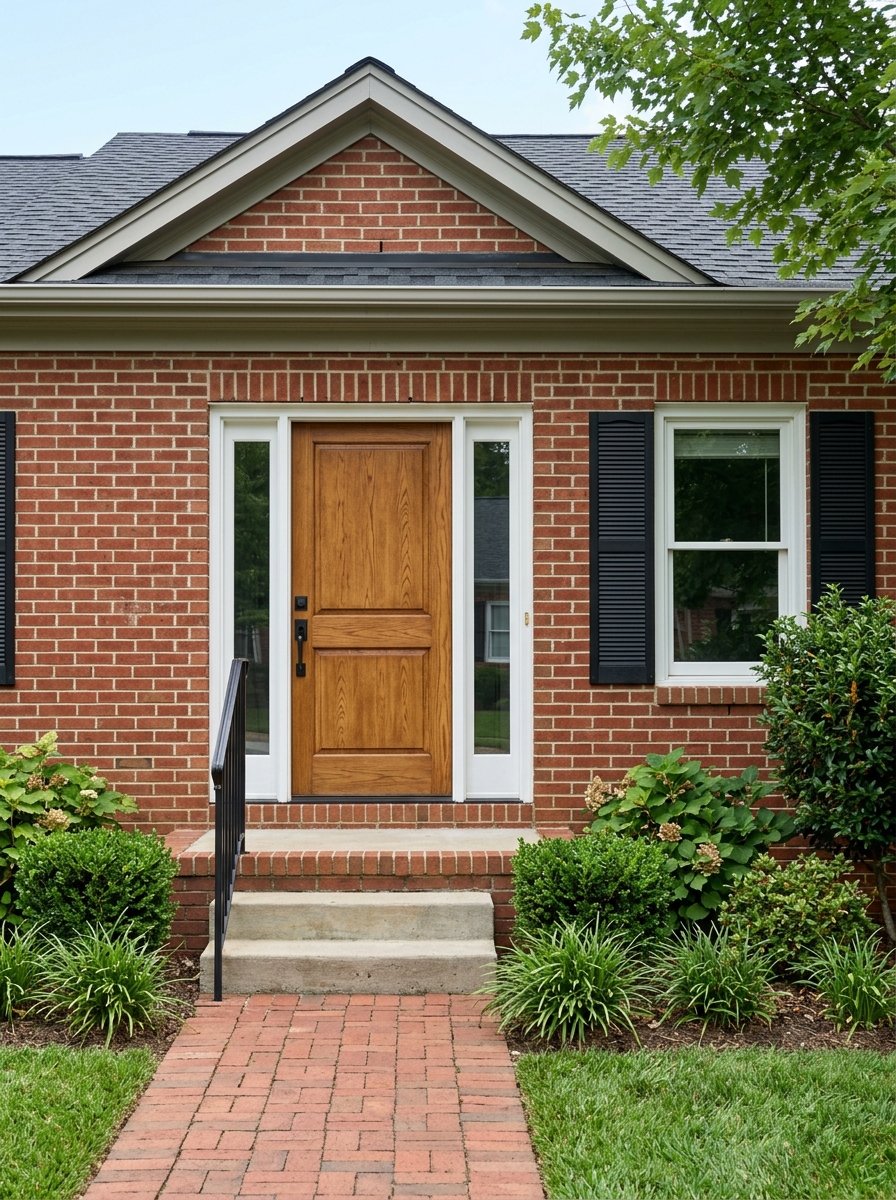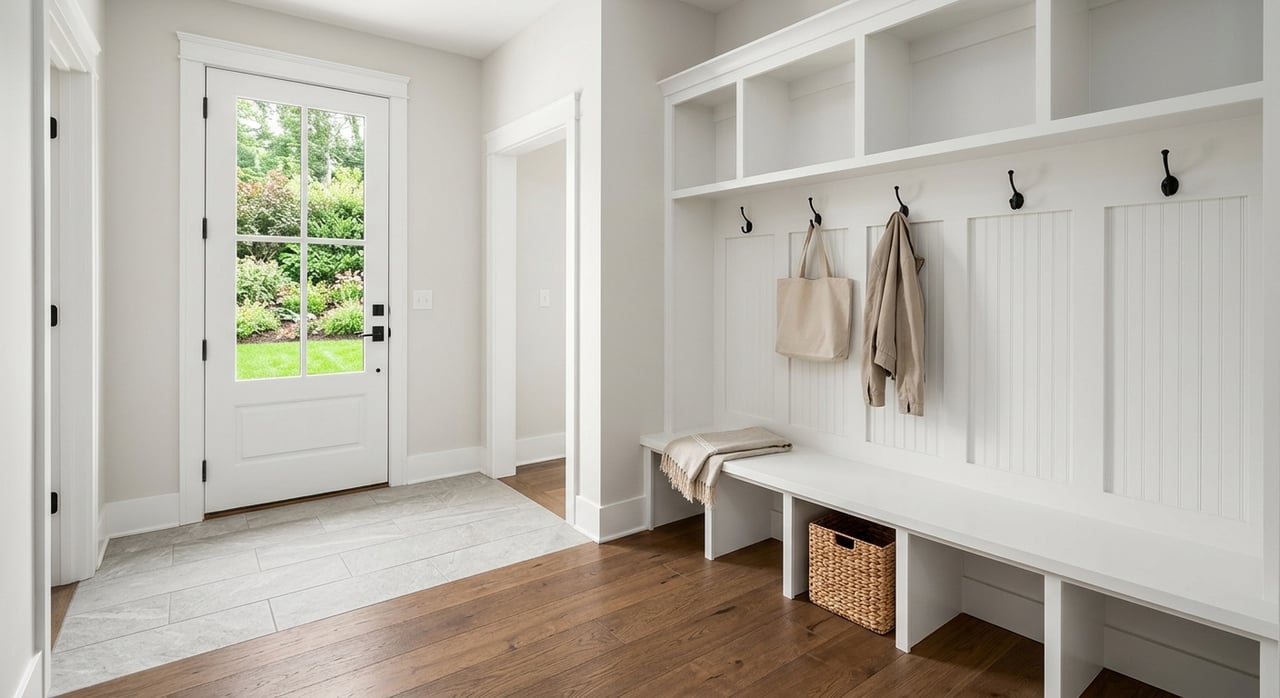
Wondering if a brand-new home around Duncan is the easier path? It can be, but new construction comes with its own set of moving parts that are easy to miss when you are focused on floor plans, design packages, and estimated completion dates. If you are buying in the Duncan area, this guide will help you look past the model home and focus on the details that shape your timeline, costs, and day-to-day experience. Let’s dive in.
Why Duncan new construction stands out
Duncan sits in the broader Spartanburg-Greenville I-85 corridor, so location here is about more than a mailing address. Road access, commute patterns, and future transportation changes can affect how convenient a community feels over time.
In late 2025, SCDOT announced a 2026 planning study for the I-85 corridor across Anderson, Greenville, and Spartanburg. SCDOT also reached final traffic configuration on its I-85 widening project in Spartanburg and Cherokee counties in August 2025. If you expect to commute toward Greenville or Spartanburg, road planning and traffic flow deserve a spot on your checklist.
Check the exact location details
Around Duncan, it matters whether a home is inside town limits or in unincorporated Spartanburg County. Spartanburg County notes that properties within municipal limits are not subject to county subdivision review, which means approval processes can differ depending on where the lot sits.
That difference can affect timelines, plats, and how development moves forward. Before you sign, it helps to confirm not just the subdivision name, but also which jurisdiction is reviewing the project and what stage the lot has reached.
Look beyond the street address
Spartanburg County GIS and public works tools can show service districts, physical geography, approved development, and road projects. For buyers, that makes them useful when comparing two homes that may look similar on paper but sit in very different settings.
A slightly different lot location can change your route to work, your drainage situation, or which utility provider serves the property. In new construction, those details matter early, not just after closing.
Verify the builder before signing
A polished model home does not tell you everything you need to know about a builder. In South Carolina, residential builders and related professionals must hold the proper license or registration for the work they perform, and the Residential Builders Commission licenses qualified builders, issues firm authorizations, and investigates complaints.
That is why builder research should go beyond online ratings. Ask for the builder’s full legal name, confirm license status, and review recent local projects so you can compare marketing promises with finished results.
Ask the right builder questions
Before you commit, ask for:
- The builder’s legal business name
- Current South Carolina license status
- Recent local addresses of completed homes
- The written warranty terms
- The process for reporting defects
- The claim process if a third-party warranty company is involved
If a problem ever needs to be escalated, the Residential Builders Commission wants facts and documentation such as contracts, witnesses, and related records. That is another reason to keep your paperwork organized from day one.
Understand what the warranty covers
Many buyers assume a new home warranty covers everything. In South Carolina, the Homebuyers Protection and Warranty Act sets a minimum written-warranty framework that is more specific than many people realize.
The law sets minimum coverage periods of one year for defects tied to building standards, workmanship, or materials, two years for plumbing, electrical, heating, cooling, and ventilation installation defects, and ten years for major structural defects. Those timeframes give you a baseline for comparison when reviewing a builder’s warranty package.
Know the common exclusions
Some items may be excluded from warranty coverage. The law allows exclusions for items such as driveways, walkways, patios, landscaping, and offsite improvements including streets, roads, drainage, and utilities.
That means site-related concerns should never be brushed aside just because the home is new. If a lot has grading challenges, drainage questions, or concerns tied to shared infrastructure, you will want clear answers before signing.
Review the lot, drainage, and easements
The house plan is only part of the purchase. The lot itself can have a major impact on how the property functions, especially in a developing area.
Spartanburg County maintains FEMA floodplain maps and floodplain permit resources, and its GIS portal can show physical geography and active road improvements. County rules also say minor subdivisions with no new roads still need stormwater review, and stormwater approval is required before construction begins on site.
Why lot readiness matters
A contract can be signed long before the home is truly ready for construction or closing. County rules state that plats cannot be recorded until approved, and final plat approval is what releases lots for building permits and certificates of occupancy.
In practical terms, a buyer can be under contract while key approvals are still in motion. That is why permit and plat status deserve just as much attention as cabinet colors and upgrade options.
Watch for easements and shared features
Spartanburg County’s design manual requires permanent easements for public storm sewer and drainage systems. It also says fences or structures cannot interfere with access or maintenance.
For you, that means corner lots, buffer lots, lots near ponds, and homes with shared driveways deserve extra review. Ask where drainage easements are located, who maintains stormwater features, and whether any parts of the yard may have use limitations.
Confirm disclosures and inspections
South Carolina’s residential property disclosure form asks about easements, shared private driveways, private roads, drainage and soil stability, flood hazards, flood zones, flood insurance, and flood claims. The related addendum also states that buyers should review deeds, covenants, restrictions, bylaws, and similar documents before entering a contract.
Just as important, the state disclosure says it is not a substitute for onsite or offsite inspections. Even with a new build, you are responsible for your own due diligence.
Third-party inspections still matter
A new home can still benefit from independent review. Depending on the property, buyers may choose to bring in a home inspector, surveyor, or engineer if needed.
That extra step can help you better understand lot lines, drainage patterns, grading concerns, and the condition of completed work before closing. New construction is new, but it is not automatic protection against mistakes or surprises.
Check water, sewer, and utility timing
Utility service is another area where buyers should slow down and verify details. SJWD says it was created to serve Startex, Jackson, Wellford, and Duncan and now serves more than 87,000 residents, while Spartanburg Water’s service map also shows Duncan among the communities it serves.
Because service can vary by parcel, never assume the provider is the same across an entire area. Confirm the actual water and sewer provider for the lot you are buying.
Ask about fees and installation timing
Spartanburg Water says construction service requests go through New Connections and that tap, capacity, and inspection fees are due at application. It also notes that installation timing varies with request volume.
That matters because utility setup can affect the construction schedule. Before you go under contract, ask what fees apply, when they are due, and whether utility installation could affect your closing timeline.
Follow permits, not just construction stages
It is easy to measure progress by what you can see, like framing, drywall, or countertops. But in Spartanburg County, residential projects may require multiple permits, including building, electrical, plumbing, mechanical, sprinkler, and alarm permits.
The county also says its EnerGov system allows planning, engineering, and building approvals to be submitted concurrently. For buyers, that means visible progress and official progress are not always the same thing.
If you are buying a home that is not complete, ask when permits were issued, what approvals are still pending, and what must happen before a certificate of occupancy can be granted. Those answers can give you a more realistic sense of the timeline.
Read the HOA documents early
If the home is subject to an HOA, do not leave that review for the last minute. South Carolina Consumer Affairs says the state does not have a comprehensive HOA law, but associations must follow the South Carolina Homeowners Association Act.
South Carolina also requires sellers to disclose whether a property is subject to an HOA, and the state addendum must be completed before contract signing if the property is subject to covenants, restrictions, bylaws, or similar rules. This is not a minor detail. It can affect your monthly costs, your use of the property, and future flexibility.
What to review in HOA paperwork
The disclosure addendum addresses more than just dues. It can include dues, fees, assessments, reserve charges, resale and rental restrictions, transfer fees, parking rules, common-area issues, and access rules.
Consumer Affairs complaint data also shows recurring concerns around open meetings or notice, access to records, and enforcement or foreclosure powers. That is a good reminder to read the documents carefully before you get attached to the finishes in a model home.
A smart Duncan buyer checklist
If you are comparing new construction around Duncan, keep your pre-signing questions simple and focused:
- Is the builder properly licensed in South Carolina?
- Are there any complaint issues or board orders on file?
- What is standard, what counts as an upgrade, and what is excluded from the warranty?
- Is the lot in a floodplain, drainage easement, or shared access area?
- Who provides water and sewer to this specific parcel?
- What utility fees are due, and when?
- Has final plat approval been completed?
- When can building permits and a certificate of occupancy be issued?
- Is the home subject to an HOA, and what are the dues, fees, and restrictions?
- Have you arranged any inspections or surveys you may need?
Final thoughts on buying new around Duncan
The biggest difference between new construction and resale in the Duncan area is not just the age of the home. It is the mix of warranty terms, lot and drainage details, utility timing, HOA rules, and commute exposure along an active I-85 corridor.
When you focus on documents and infrastructure as much as the finish package, you give yourself a better chance of making a confident decision. If you want local, hands-on guidance as you compare builders, lots, and timelines around Duncan and the Upstate, Micha Kelley is here to help.
FAQs
What should buyers check before signing a Duncan new construction contract?
- Buyers should confirm builder licensing, warranty terms, lot and drainage conditions, utility providers and fees, HOA rules, plat approval status, permit progress, and any needed third-party inspections.
What warranty coverage applies to new construction in South Carolina?
- South Carolina’s minimum written-warranty framework includes one year for certain workmanship, materials, and building standards defects, two years for certain plumbing, electrical, heating, cooling, and ventilation installation defects, and ten years for major structural defects.
Why do lot and drainage details matter for new homes around Duncan?
- Lot conditions can affect flood risk, easement access, stormwater management, yard use, and construction timing, especially if final plat or stormwater approvals are still in process.
How do utilities affect a new construction timeline near Duncan?
- Water and sewer service can vary by parcel, and provider fees, application timing, inspections, and installation volume can all affect when a home is ready to close.
What HOA information should buyers review for new construction in Duncan?
- Buyers should review dues, fees, assessments, transfer fees, parking rules, rental restrictions, common-area obligations, and any covenants or access rules before signing a contract.